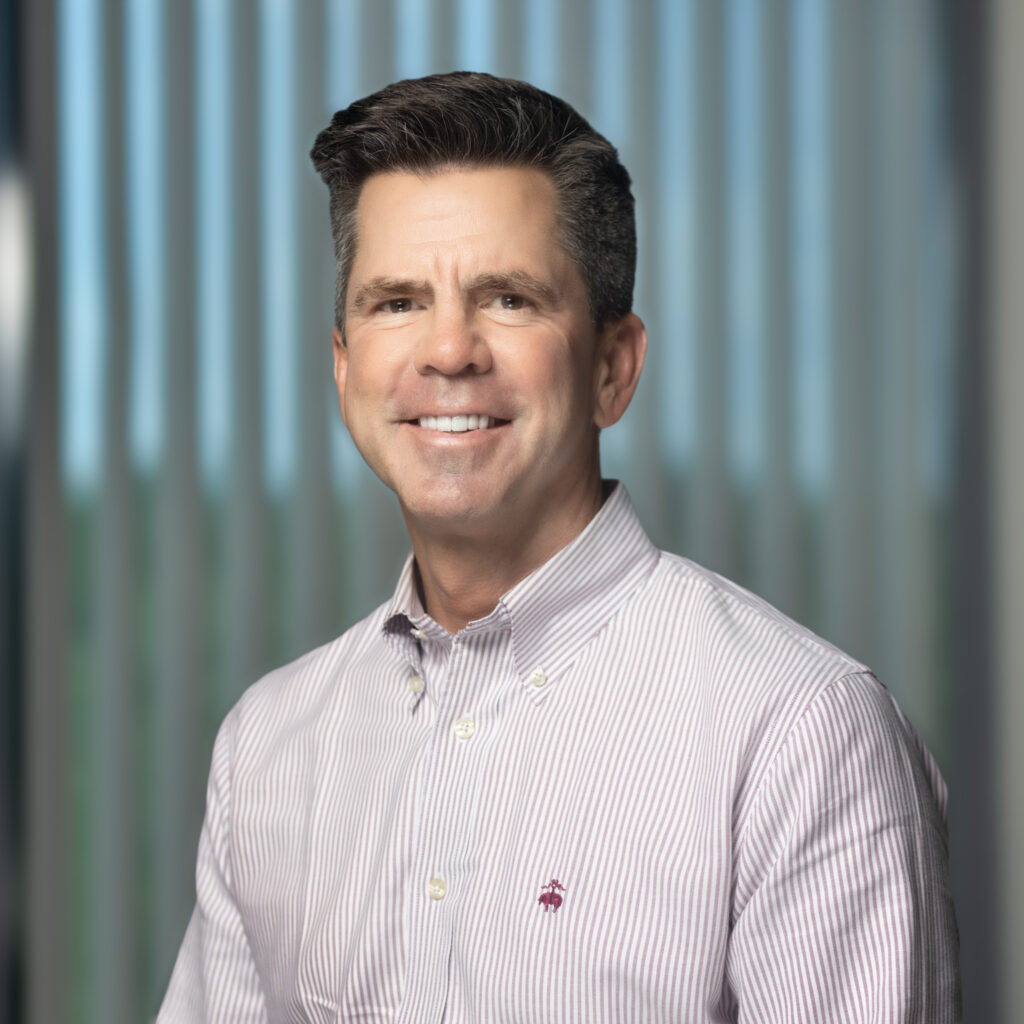
Editor’s note: Harvard University Program on Education Policy and Governance devoted its annual spring research conference to helping policymakers assess education choice: What is and is not working, the trade-offs involved in different programs, and the long-term effects. John F. Kirtley, the founder and chairman of Step Up For Students, the nation’s largest nonprofit scholarship funding organization, told attendees in a keynote address about his home state of Florida, where 30 years of robust education choice across the district, charter, and private sectors are not only working but have set a national standard for the other states taking their first steps on the journey. His remarks are summarized below. You can read the entire speech here. To learn more about Harvard’s Emerging School Models conference, scheduled for Sept. 17 and 18, go here.
Redefinition of public education
Growth of choice programs
Supply-side developments
Impact on rural and district schools
Educational outcomes and research
ORLANDO, Fla. — As public education has evolved from a one-size-fits-all system to one where families are empowered to choose the environment that best fits their child, everyone has been a winner: Students, parents, educators, entrepreneurs, and even public school districts.
That was the message of John F. Kirtley, founder and chairman of Step Up For Students, to the roughly 1,000 people who attended the non-profit’s Navigating New Horizons conference this week.
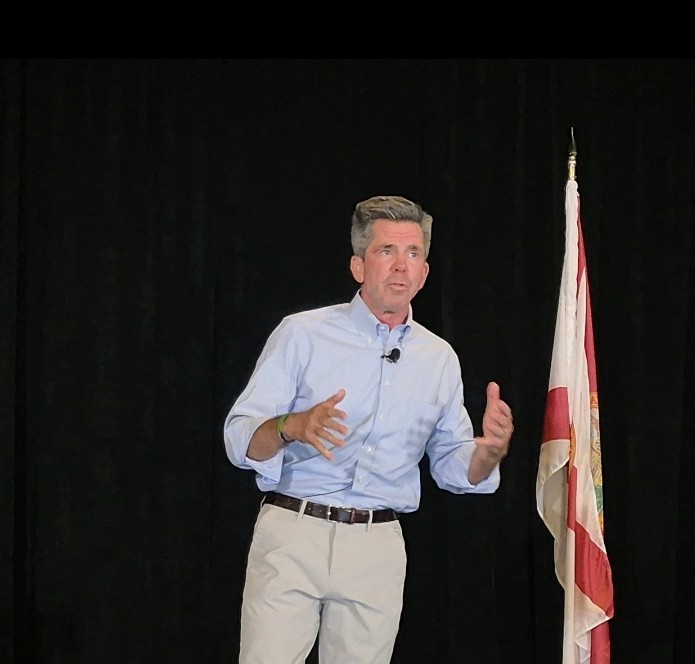
In a closing speech that at the end brought the audience to its feet, Kirtley began by describing the state of education before the 1990s. Everyone paid taxes, and students were assigned to schools by their ZIP codes.
“It was, it could be said, a definition that emphasized ‘uniformity,’” he said, referencing but not naming the state teachers union’s recent lawsuit to eliminate Florida’s robust education choice programs, including all scholarship programs and charter schools.
Kirtley said he didn’t realize it at the time, but since overall graduation rates in Florida were, until the mid-1990’s, around 60% overall and less than 40% for black males, it’s likely that many of his friends on the football team who crossed the stage did not get real diplomas. They likely received certificates of completion. The second group probably included a classmate who regularly got in trouble for dozing during early morning courses and was uninspired by classic literature. Yet he could take apart an entire car and rebuild it by himself, when Kirtley couldn’t change his car’s oil.
“But there was no specialized program for him…No, uniformity didn’t serve him well.”
Today, Kirtley said, his classmate could sleep in, take core classes online in his pajamas, then head over to the district automotive technology program in the afternoon, where he would be the star student.
“When he graduated, he’d be hired by the local Mercedes dealer and make over $100,000 two years out of school,” Kirtley said. “So, yeah, he’d be better off.”
Not only are students better off, but so are educators who can start their own schools, including microschools, and even school districts, including many that now offer specialized magnet schools and individual courses to education choice scholarship students who attend school part time.
“I close by saying don’t fear the New Definition. Embrace it. Thrive in it. You can thrive in it whether you are a microschool, an à la carte provider, or one of nation’s largest school districts,” he said. “And when you thrive in the New Definition, all students will thrive along with you. And shouldn’t that really be the ultimate goal?”
His remarks echoed the message given the day before by Gretchen Schoenhaar, Step Up’s chief executive officer, who gave the conference’s opening speech.
“Families today seek learning environments that reflect their children's unique strengths, needs and goals,” Schoenhaar said. “What's really inspiring is how this demand has sparked innovation across the education landscape.”
Schoenhaar said she hoped the two-day event would offer attendees a chance to be “inspired by the conversations you have, encouraged by the stories you hear, and energized by the collective passion in this room.”
Schoenhaar said Florida is home to the nation's largest parent-directed education marketplace today, with more than half of all K-12 students participating in some form of education choice, including many district schools, private schools, charter schools, homeschools, online schooling, or some combination of those.
“The spirit of innovation and possibility is exactly what this conference is all about,” she said.
The event, whose theme is Facing the Future Together, featured nearly 100 session speakers and 100 exhibitors displaying everything from a la carte learning to transportation options, tutoring, and curriculum.
Organizers said this year’s goal was to provide educators with information and resources based on best practices that also reflect the bigger picture. That included information about the rise of microschools and how to use AI efficiently and responsibly.
“Over the next two days, we hope you'll be inspired by new ideas, meaningful connections and innovative strategies that will help shape the future of education,” Paula Nelson, Step Up’s vice president of school and provider services, told the audience during her welcome.
Breakout session topics included school safety, a la carte education, navigating AI, the future of public education, the benefits of applying for the Yass Prize, how public schools are offering individual courses to scholarship students and how to create and sustain microschools. Four sessions on the upcoming federal Education Freedom Tax Credit program drew standing-room-only crowds.
The federal program, which launches in January 2027, allows individual donors to divert up to $1,700 of federal tax liability to support scholarships for students in public and private schools. The federal government is expected to announce rules that cover program specifics soon. Florida Gov. Ron DeSantis is among the governors who have opted their states into the program.
At the end of the conference, Schoenhaar broke some news: The conference will return June 14 and 15 of 2027.
PINELLAS PARK, Fla. — Surrounded by students in crisp school uniforms, a group of educators, faith leaders, and families urged Florida’s teachers union to drop a lawsuit that seeks to end the nation’s largest K-12 education choice programs.
“I am not anti-public school. Public schools work for many children. But they don’t work for every child, including my sons,” said Leslie Coker, a stay-at-home mom whose two school-age sons have radically different unique abilities and who have benefited from the learning options the programs provide. The scholarships made it possible for a single-income household like hers to afford to send one child to a hybrid school and homeschool the other son full time. Both boys are thriving in learning environments that best fit their individual needs.
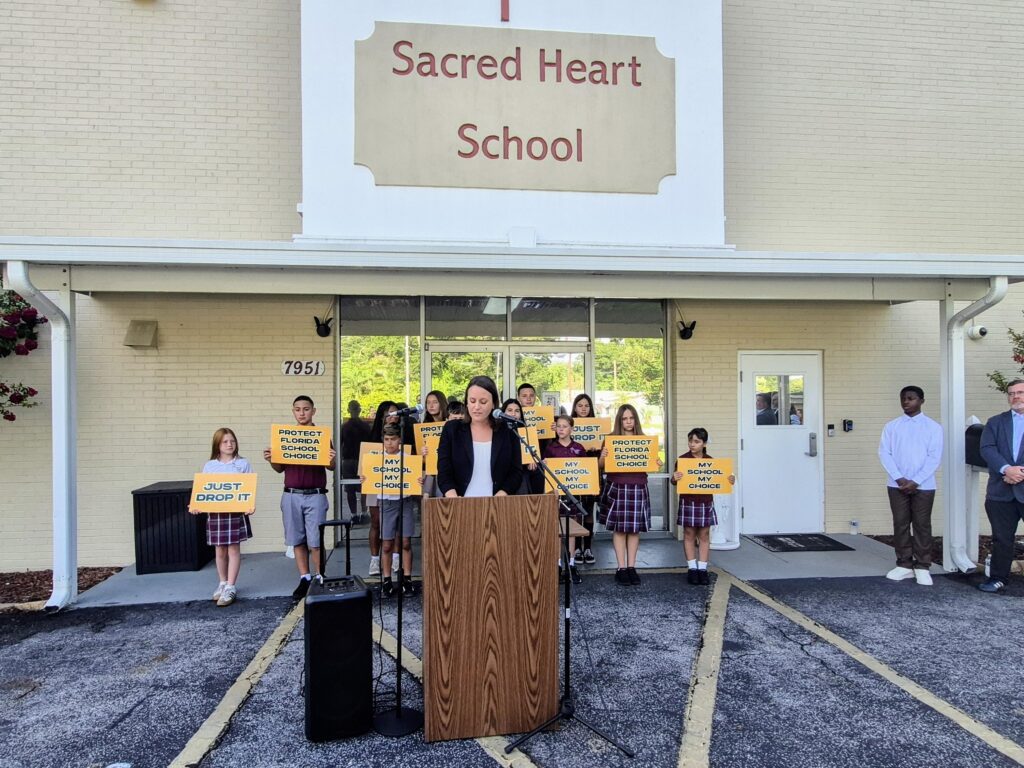
“For me, this lawsuit is not political. It is personal. If it succeeds, the impact will hit my family hard, as well as many others," the Bradenton area mom said. We are living proof that education choice is working in Florida. I urge the teachers union to respect our choices and drop the lawsuit.”
Mrs. Coker made her plea on Wednesday at a news conference at Sacred Heart Catholic School, which serves more than 200 students in preschool through eighth grade. Florida Catholic schools have increased their enrollments over the past decade in contrast to their counterparts in other states, which have seen declines. They credit Florida’s robust state scholarship programs, which have made the Sunshine State the national leader in empowering parents to choose the best learning options for their children.

“Ultimately, this debate comes down to one simple question: Who is best equipped to make educational decisions for these children? A bureaucrat sitting in an office hundreds of miles away? Or the parents who know, love, raise and sacrifice for that child every single day?” said Christopher Pastura, schools superintendent for the Diocese of St. Petersburg. He called the lawsuit “misguided and wrong” and urged the union to withdraw it.
“We cannot go backward,” he said.
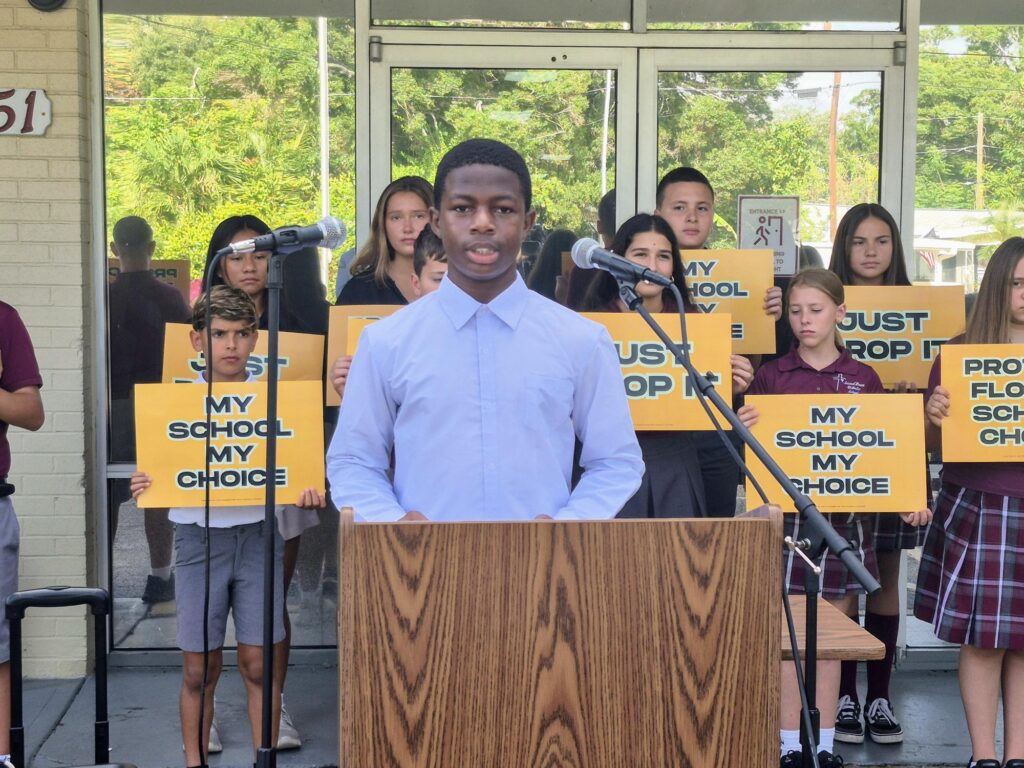
Supporters began speaking out within weeks after the Florida Education Association and others sued the state on May 5 over its three-decade-old private school scholarship and charter school programs. The latest figures from the Florida Department of Education show that 1 million Florida K-12 students are now educated outside of district schools. A news conference, organized by former Gov. Jeb Bush’s Foundation for Florida’s Future, was held May 14 outside the Old State Capitol in Tallahassee. Step Up For Students, which manages virtually all the state’s K-12 scholarship programs, organized Wednesday’s event.
James Hartman, executive director for IDEA Public Schools in the Tampa Bay area, noted that Florida charter schools, which the law established in 1996, now serve nearly 400,000 students on more than 700 campuses.
“Charter schools are not opposed to public education,” he said. “Charter schools are part of public education.”
Hartman said he hopes that as the lawsuit makes its way through the courts, the focus can stay where it belongs — on students.
For the low-income families who live in the part of Tampa served by Faith Action Ministry Alliance (FAMA), the scholarship programs are not a luxury but a lifeline.
Students who attend the FAMA-owned Grant Park Christian Academy share what they learn at home, said the Rev. Alfred Johnson. That elevates the educational level of an entire community.
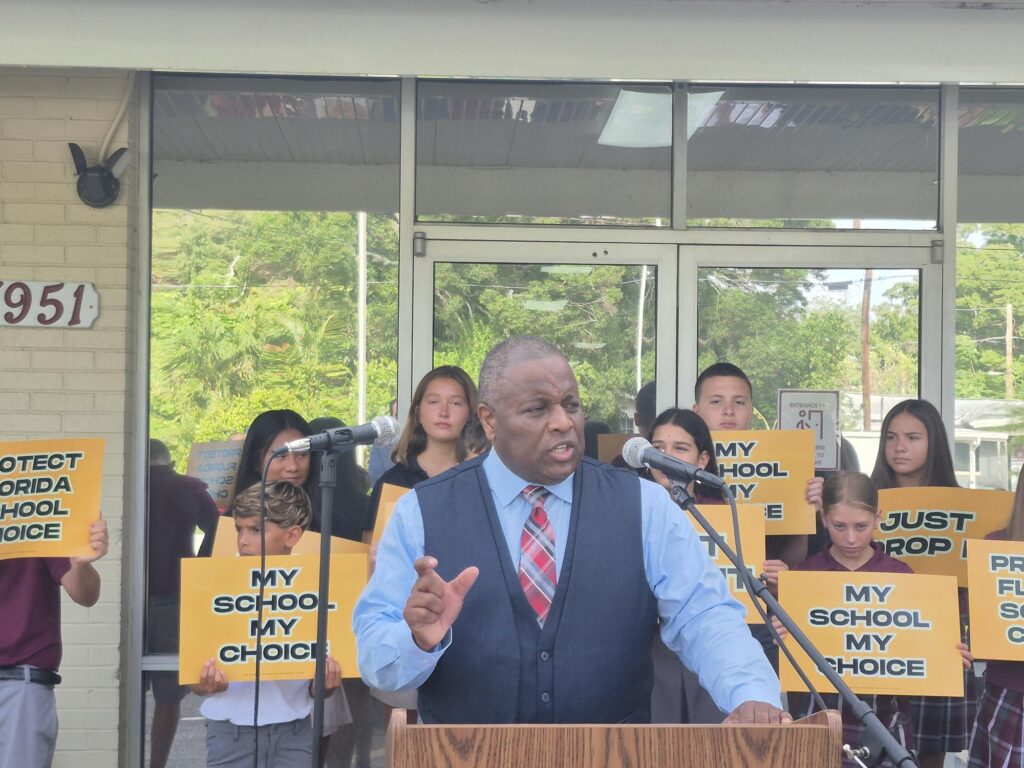
“I remember one mother telling us through tears, ‘My children are learning things at school that we didn’t even know in our home. They’re bringing it back home — and it’s changing our family.’”
Johnson said county commissioners tell him that more programs like his are needed to help those living in low-income communities.
“So how can we say we want to save neighborhoods while simultaneously attacking the very programs helping to save them?” he said. “I urge the teachers union to abandon this lawsuit — so that we do not abandon our children.”
TALLAHASSEE, Fla. — Parents, students, and education leaders who gathered at the Florida Capitol on Thursday had a message for the Florida Education Association, the teachers union that filed a lawsuit to end K-12 education choice scholarship programs used by nearly 540,000 children, as well as all charter schools.
Just drop it.
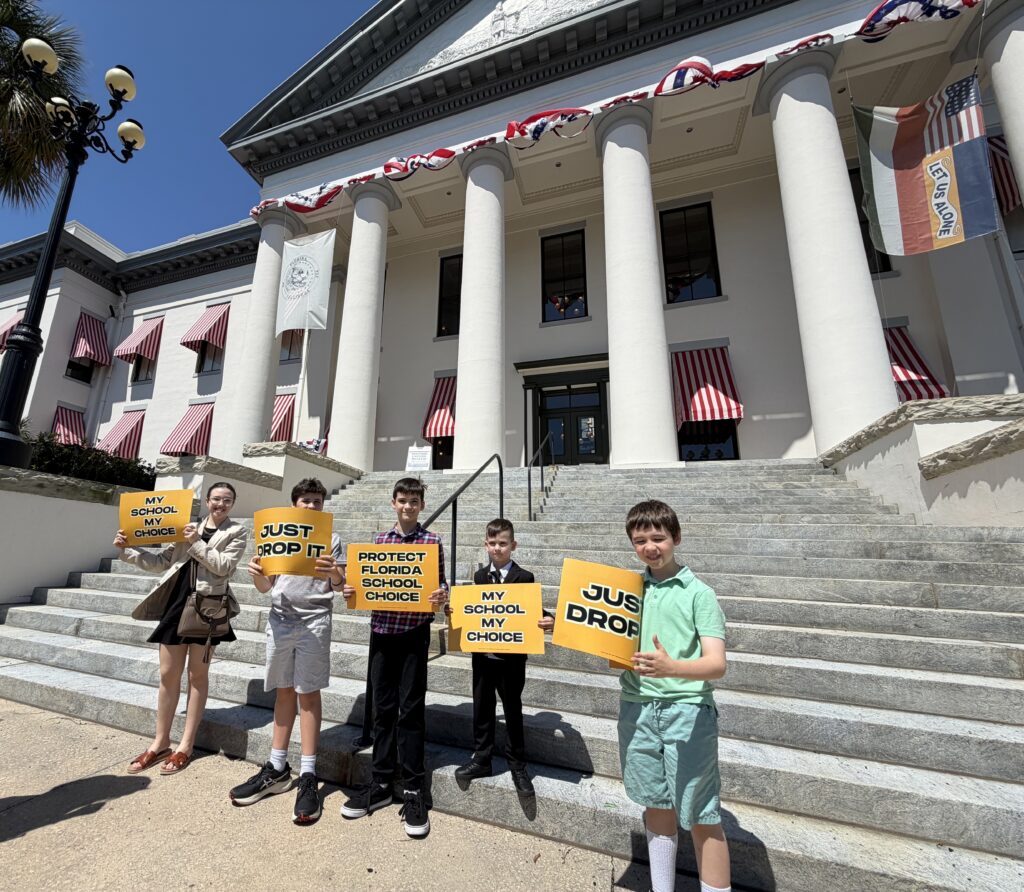
That was just one of the messages on the signs that supporters held up as they stood on the steps of the Old State Capitol building, as advocates proclaimed how education choice scholarships changed lives for the better. “My School My Choice” and “Protect Florida School Choice” could also be seen on the bright yellow signs. Former Gov. Jeb Bush’s Foundation for Florida’s Future organized the news conference. Bush launched the private school choice movement in 1999, right after he became governor.
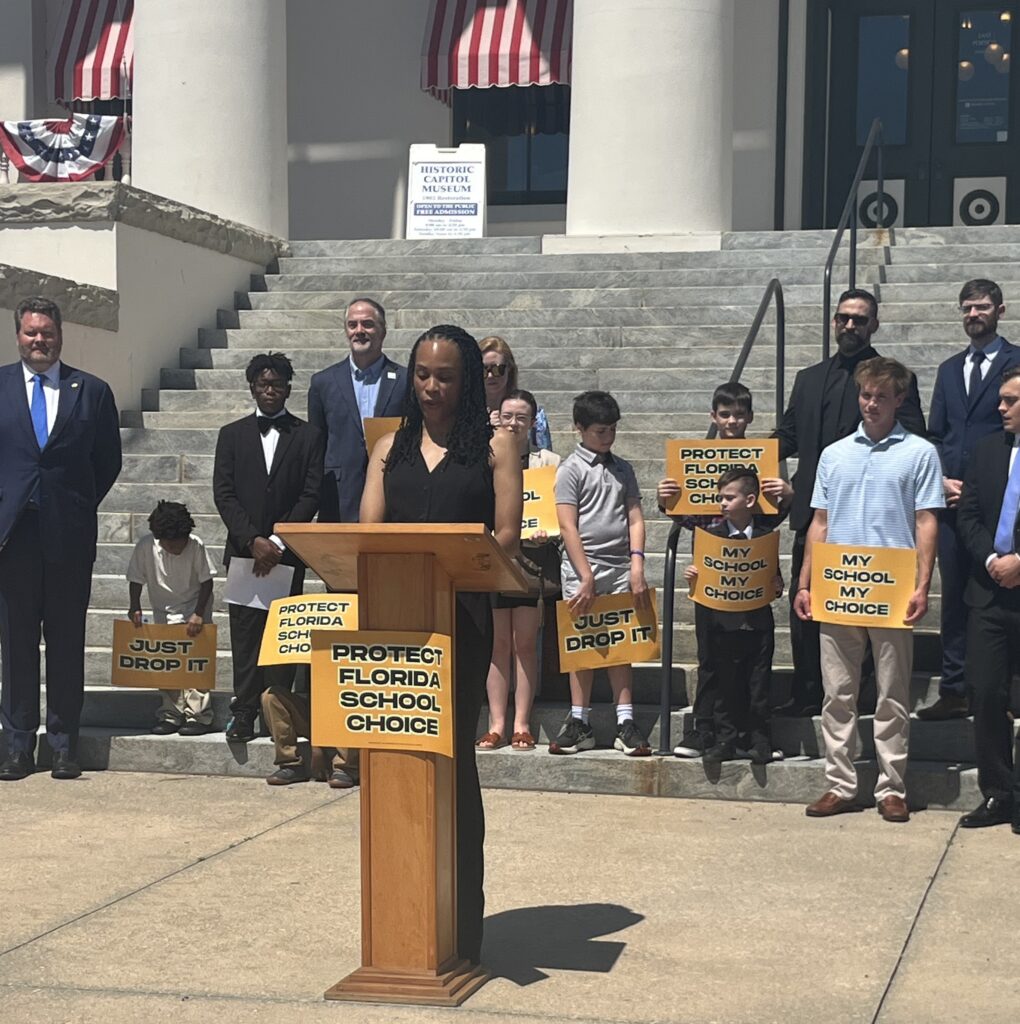
“The scholarships are VERY important to me,” said Kiteka Walker, whose son, Rashad, is in seventh grade at Dixon School for Arts & Sciences in Pensacola. After attending previous schools and homeschooling Rashad, he asked to return to school. She sent him to Dixon because it was the right fit, offering Rashad opportunities to participate in student government, the robotics team, and other enriching activities. The Florida Family Empowerment Scholarship he received made it affordable for him to attend the private school while his two younger brothers attended a private elementary school. If the lawsuit succeeds in eliminating the scholarships, Walker said she would have to homeschool him again because she could not afford private school for three children.
“Parents choose where we send our children to daycare, we choose where to go to college. Why can’t we do the same with K-12 schools?”
Rashad Walker, who traveled to the event with his family, shared how he is thriving at the school his mother chose for him.
“Dixon has been the perfect fit for me. It has a lot of culture and provides a bunch of opportunities in band, art, singing, technology, and media,” he said.
Rashad, who also participates in robotics and serves on the student council, said the school encourages him to try new things, like playing a piano that had been gathering dust at home for years.
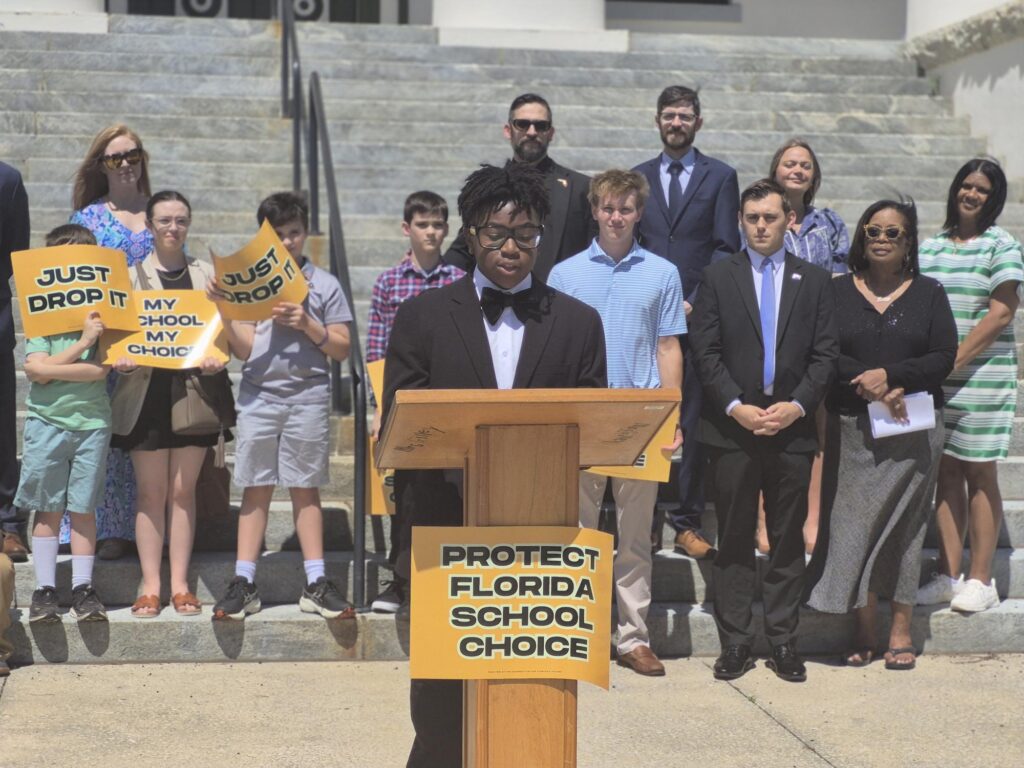
“Dixon inspired me to teach myself to play the piano. I practice every day on that piano at home. No more dust,” he said.
Last fall, when he was hospitalized for three weeks following knee surgery, Rashad created craft kits called DUCK bags that help kids combat boredom. He sold the kits at business fairs and is making some to donate to children’s hospitals.
None of that would have happened if it weren’t for Dixon, he said. And Dixon wouldn’t have happened if it weren’t for the scholarship.
“That’s why I don’t understand this lawsuit,” Rashad said. “Why get rid of something that is life-changing for other people? That helps them achieve better things in life?”
Rita Brown can see proof that education choice changes lives every day at Brownsville Preparatory Institute in Tallahassee, a private school she founded more than 20 years ago.
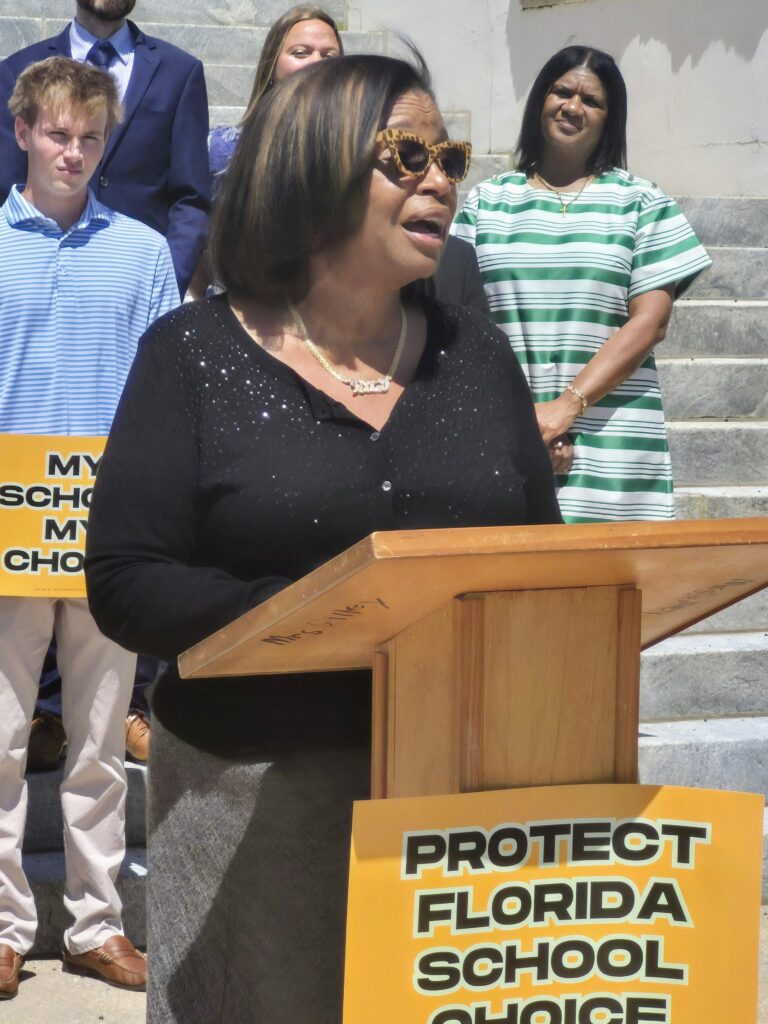
The school began as a pre-kindergarten and now serves 95 students through third grade. Brownsville is in a low-income community. Most parents can’t afford private education after their 4-year-olds complete the state-subsidized pre-kindergarten program.
The scholarships, Brown said, changed that.
It allowed her to add grades. Today, Brownsville students typically learn to read at age 3 and are adding, subtracting, writing, and learning cursive.
“We are the best school in our neighborhood,” she said. “Florida’s education choice scholarships have been a vital part of that.”
If the teachers union wins in court, Brown said, the school would lose most of its school-age children.
“That K-3 program would probably die. It would be devastating for our parents. We have all these students doing amazing things, but they would be forced to go to schools that don’t meet their needs. “
She called the lawsuit “frivolous” and “an attempt to turn back the clock.” But Florida is too embedded in education choice to return to a bygone era.
“At the end of the day, we need to be collaborative in educating all students,” Brown said.
The event inspired a lawmaker to attend to voice his opposition to the lawsuit.
State Sen. Jonathan Martin, R-Fort Myers, said empowering parents to choose the best options for their children does not take away resources from other students and makes America “the light on the hill that Ronald Reagan talked about.”
Florida’s robust scholarship programs have led the way and “will continue to make sure our light stays the brightest, not just in this country but around the world.”
You may have read or seen a story this week about the Florida Education Association, the state's largest teachers union, filing a lawsuit challenging the state’s scholarship programs and its charter schools.
Basically, the union is claiming that because private and charter schools don’t have to follow the same rules as district schools, the funding of these programs violates the Florida state constitution. The state constitution has a provision that Florida must provide a "uniform, efficient, safe, secure, and high-quality system of free public schools".
The union wants the courts to interpret this provision to mean the state can fund nothing but district-run schools, or at least make all schools that receive state funding be “uniform.”
Of course, the whole purpose of education choice is to create alternatives to traditional district schools to meet the needs of Florida’s incredibly diverse students.
Today, over 50% of taxpayer-funded K-12 students in Florida do not attend their zoned district school. In Miami Dade, our largest district, that figure is over 70%. The largest category of choice is district-run choices: magnets, open enrollment, career academies. Districts have admirably responded to competition.
In a ruling from 20 years ago, the state Supreme Court cited this uniformity provision when ruling that a small scholarship program was unconstitutional. The Harvard Law Review called the ruling an “adventurous reading and strained application” of Florida’s constitution. In contrast, a legal challenge to the tax credit scholarship was defeated in 2017.
The justices on the state Supreme Court — and their legal philosophy — is very different than even a decade ago. It would be very difficult to imagine that this court would interpret the uniformity provision in the same way as 20 years ago.
However, it will be very important to demonstrate to everyone how important education choice is.
Step Up led the coalition that defeated the lawsuit the union brought in 2014. This effort was a wonderful opportunity to show the country what choice meant to Florida families. The culmination of this effort: over 10,000 people came to Tallahassee to show their support for choice:
There will be an even stronger coalition this time around.
For a glimpse into the future of public education, visit Florida.
Nearly three years after landmark legislation gave Sunshine State families the flexibility to choose from an expanding number of learning options, 75% of its 67 school districts now offer a la carte services.

In a recent Johns Hopkins University Homeschool Research Lab podcast, Keith Jacobs, director of provider development at Step Up For Students, explained how putting parents in control of their children’s education dollars is changing the way Florida students learn.
“In every major service offered in human experience, the need for customer service is evident,” said Jacobs, a former public school teacher and administrator. “So, when you’re talking about education, we’ve gone from government-sponsored, government-funded within the public school sector to now families being empowered with the money and the opportunity and the knowledge to make a decision on which a la carte model they feel is most valuable for their child. It’s no longer, ‘I have to go to my neighborhood public school based on the ZIP code we live in.’ They want that level of customization.”
Last year, roughly 80,000 students were funded in the Personalized Education Program, which allows parents to design customized learning for their children who are not enrolled full time in public or private schools. Another scholarship, the Family Empowerment Scholarship for Students with Unique Abilities, allows parents the choice between full-time private school or customized homeschool plans. Last year, about half of the more than 150,000 students who participated in the
UA option chose homeschooling.
“There are many different ways for families to experience homeschool education in Florida,” Jacobs told host Christy Batts, a senior research data analyst at the Johns Hopkins University School of Education, Institute for Education Policy.
Jacobs has spent nearly two years helping school districts expand learning options for students who receive funding through education savings accounts. These accounts allow parents to use funds for tuition, curriculum, therapies, and other pre-approved educational expenses. That includes services by approved district and charter schools.
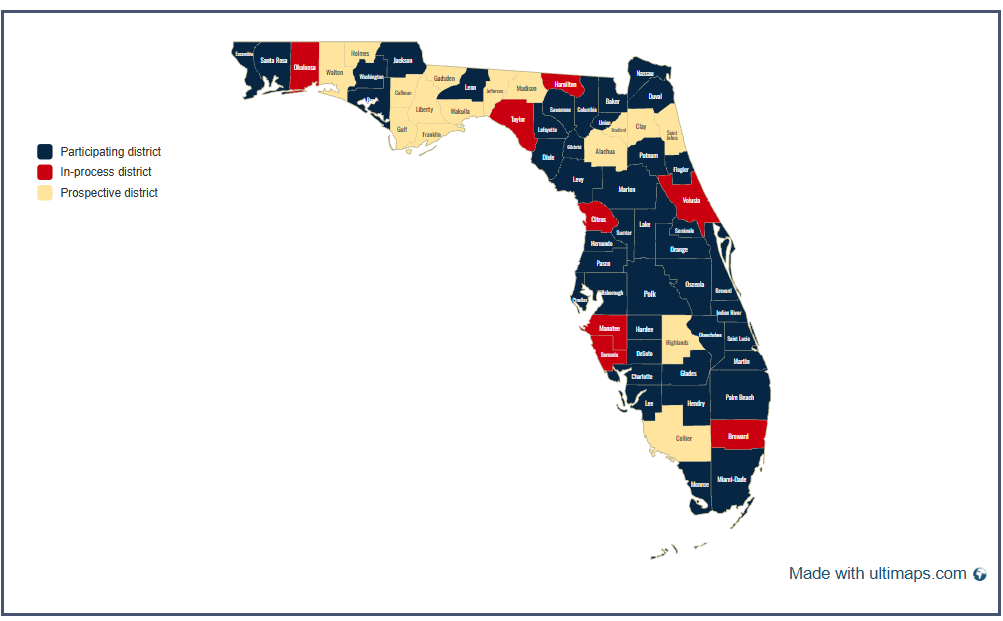
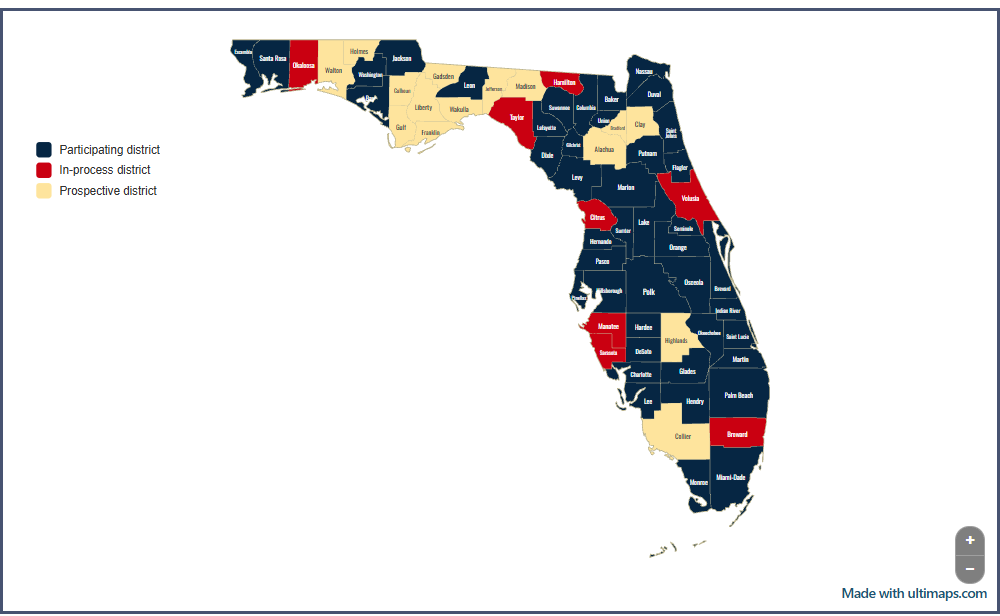
Jacobs said 51 of the state’s 67 public school districts have agreed to offer some form of unbundled services. Those can be in-person or virtual, core classes or extracurricular activities.
Jacobs sees the fact that more than 50% of families in Florida exercise some form of choice as a big motivator for school districts to innovate. When it comes to developing their own offerings, Jacobs said his team at Step Up lets district leaders take the lead.
“We try to meet them where they are,” he said.
TALLAHASSEE, Fla. — Luz Acosta-Pandolphi was happy to be among the crowd gathered in the state Capitol courtyard Thursday afternoon to celebrate National School Choice Week. For her family, education choice is multigenerational.

Her daughter went to an Avant School of Excellence, which serves students in elementary, middle and high school at locations in Tallahassee and Florida City near Miami. Now, her two grandsons attend the school.
“It is a school where they fit in perfectly,” she said. One grandson has dyslexia and now can read at grade level, thanks to Avant, she said. State K-12 school choice scholarships make it affordable to send both boys.
“We wanted to be here to support choice,” Acosta-Pandolphi said.
She wasn’t alone. About 1,000 students showed up with their parents and school leaders to celebrate Florida’s many learning options and the fact that the Sunshine State is a national leader in education choice.
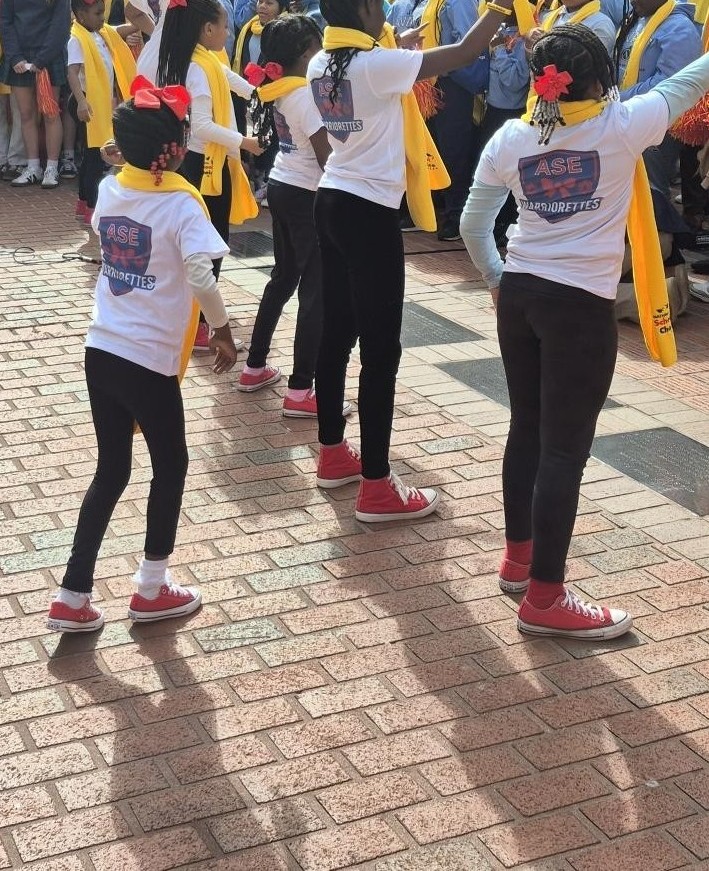
They sang the national anthem. They listened to a group of students at a classical charter school recite Ralph Waldo Emerson’s 1837 poem “Concord Hymn,” which includes themes of sacrifice and freedom. They danced.
Several state lawmakers joined the celebration. As bills were being debated inside, it was all harmony in the paved courtyard. Only smiles, red and yellow balloons, and a celebration of the right of families to choose the best education for their children.
“How meaningful it is to stand here with you today, surrounded by families and students and teachers and education leaders whose lives are shaped every day by the power of the right educational fit,” said state Rep. Jennifer Canady, R-Lakeland. “Here in Florida, we are doing something truly special.”
Canady, a former teacher who holds a master's degree in special education, is the chairperson of the House Education & Employment Committee and was elected to be Florida’s first female House speaker in 2027.
Other state representatives who spoke included Reps. Michelle Salzman, R-Pensacola; Alex Rizo, R-Hialeah; and Yvette Benarroch, R-Marco Island.
School leaders stood up and praised state leaders for realizing that when it comes to education, one size does not fit all, and for empowering parents to direct their children’s education.
The celebration was co-sponsored by Americans for Prosperity Foundation and the National School Choice Awareness Foundation, both 501c3 organizations. Shenell Ellerbe, said choice had made a difference for her daughter, Subi, who attends the Digital Academy of Florida, a virtual school that Ellerbe said best fits Subi’s unique needs.
“It also provides flexibility, which is good because we travel,” Ellerbe said. She said Subi, who is in high school, is thriving and wants to attend college and study botany. She said having the ability to choose the best fit for Subi has made a significant difference for her academically.
“We felt it was important to come out here and show our support for choice,” Ellerbe said. The season open for scholarship applications for the 2026-27 school year is Feb. 1. Visit Step Up For Students to apply.
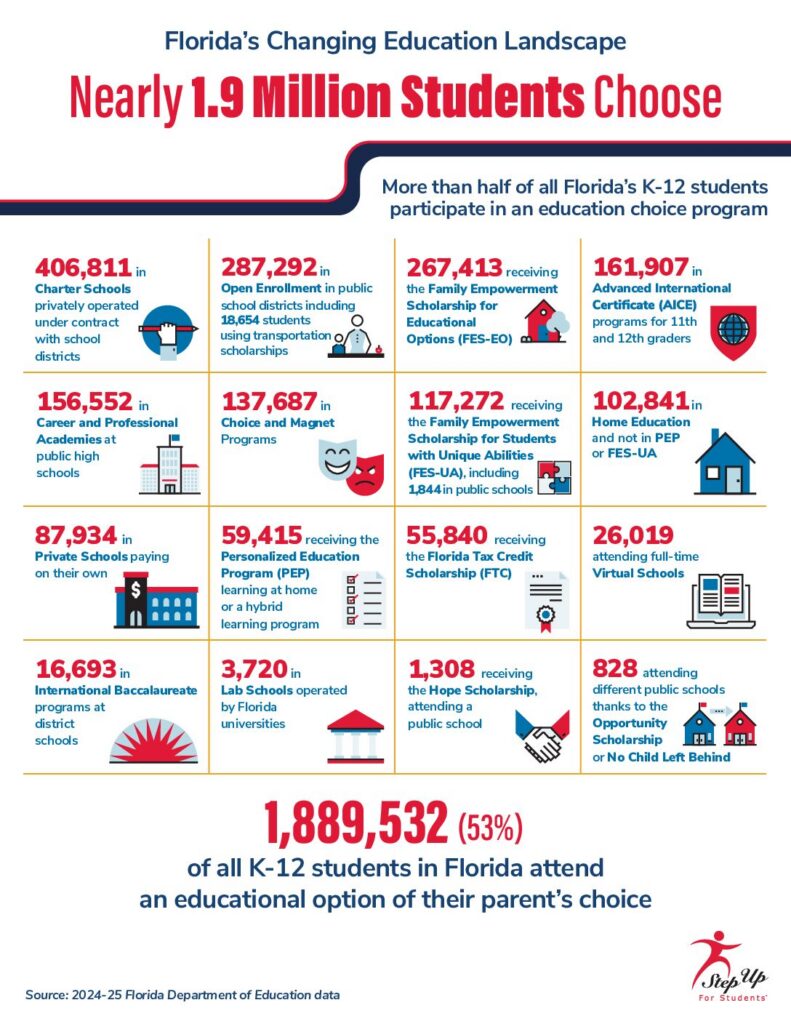
Florida’s K–12 education landscape continues to shift toward choice. During the 2024–25 school year, 53% of all K–12 students — 1,889,532 children — attended a public, private, or home education option of their parents’ or guardians’ choice. Just one year after crossing the 50% threshold for the first time, Florida’s school choice participation grew by nearly 100,000 additional students.
“Each year, Florida families have made it clear that they want more options for their children’s education,” said Gretchen Schoenhaar, CEO of Step Up For Students, the Florida non-profit that administers the state’s education choice scholarship programs.
“Increasingly, parents and guardians are willing to mix and match private and public resources to choose the ones that work best for their family.”
Since the 2008–09 school year, Step Up For Students, in collaboration with the Florida Department of Education, has tracked enrollment across a variety of choice programs. The 2023–24 school year represented a historic milestone: the first time more than half of all K–12 students in the state attended a school of choice. The 2024–25 school year continued that upward trend.
The Changing Landscapes report draws from Florida Department of Education data and removes, where possible, duplicate counts to provide a clearer picture of school choice participation. For example, it adjusts for home education students supported by the Family Empowerment Scholarship for Students with Unique Abilities (FES-UA) and eliminates double-counted students in career and professional programs. It also excludes prekindergarten students in FES-UA and programs such as Voluntary Pre-Kindergarten (VPK), as the report focuses solely on K–12 education.
While many families still choose their neighborhood public schools, Florida’s education system now offers a broad range of options to meet diverse student needs. As in past years, public school choice remains dominant, occupying four of the top five spots in overall enrollment. Charter schools are the most popular single option, followed by district open enrollment programs, the Family Empowerment Scholarship for Educational Options (FES-EO), career and professional academies, and Advanced International Certificate of Education (AICE) programs for upperclassmen.
The largest increases in enrollment occurred in the FES-EO program, which has merged with the Florida Tax Credit Scholarship program, and the Personalized Education Program (PEP), a scholarship that helps fund education at home.
Among public school options, AICE enrollment grew nearly 17%, career and professional academies grew 6.2%, and open enrollment grew 4.6%. While overall district enrollment appeared to decline slightly, these public school choice options still grew more than charter schools (independent public schools), which grew just 2.3%. This may suggest that school districts could benefit from expanding their own menu of diverse school options to better retain families.
Choice remains strong within Florida’s public school system. More than 1.2 million of the state’s 2.9 million public school students attended a school of choice, while another 688,000 students outside the public system enrolled in private schools or home education programs.
A newer option to keep an eye on is district schools offering classes and services to students on an education choice scholarship, paid for with their scholarship funds. Currently 37 of Florida’s 67 districts have been approved as providers with Step Up For Students, and another 11 are in the process of being approved. These arrangements further blur the line between public and private and emphasize that the focus remains on the individual needs of students.
With so many options available, Florida’s education system has entered a new phase. Choice is no longer an alternative; it is the norm. Families routinely evaluate multiple pathways, and whether they select a different option or remain in their assigned public school, they are making an active choice. The result is an education landscape in which public, private, and home education options coexist and evolve together, reflecting the reality that students and families have different needs, and that those differences matter.
A Tampa Bay area morning TV show kicked off National School Choice Week by highlighting a family who benefits from a state K-12 scholarship.
Arielle Frett appeared on Fox 13’s “Good Day Tampa Bay” program on Monday with her son, AnyJah, a ninth grader at The Way Christian Academy in Tampa. She said she moved to Florida from St. Thomas, Virgin Islands, in 2017 to find better educational opportunities for AnyJah, who has severe autism.
“No teachers were able to work with him on his level,” Frett told Fox 13 reporter Heather Healy. “Most of his learning in English and math are on fifth and sixth grade levels now.”
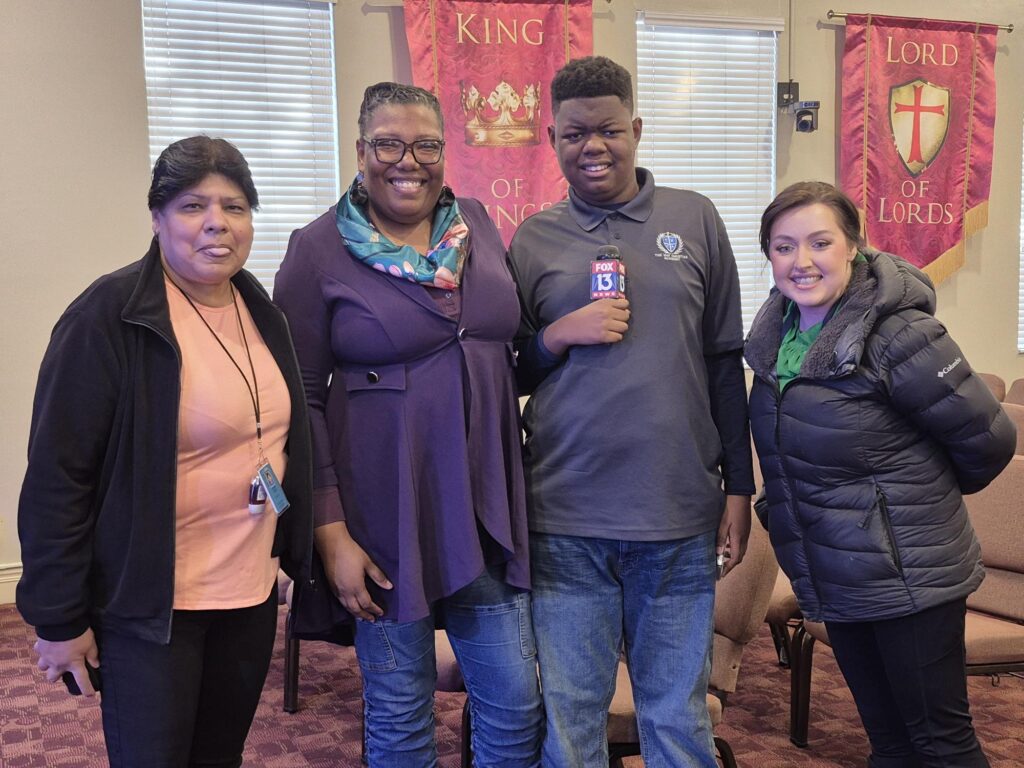
A U.S. military veteran and single mother of two, Frett said she would not have been able to afford a private school for her son without the scholarship.
She said AnyJah, who receives the Family Empowerment Scholarship for students with Unique Abilities, is “loved, protected, and thriving” at his school, where class sizes of 10 to 12 students allow for more individual attention. He can also receive his therapies during school.
The segment also featured information about Florida’s robust education choice options. Those include traditional public schools, district magnet schools, charter schools, private schools, microschools, homeschools, virtual schools, and customized education programs that allow parents to mix and match.
“We’ve gone from education and funding through the system to now empowering families by putting the money in their hands and allowing them to make the most appropriate educational decisions for families,” said Keith Jacobs, director of provider development at Step Up For Students, which administers most of the state’s education choice scholarships.
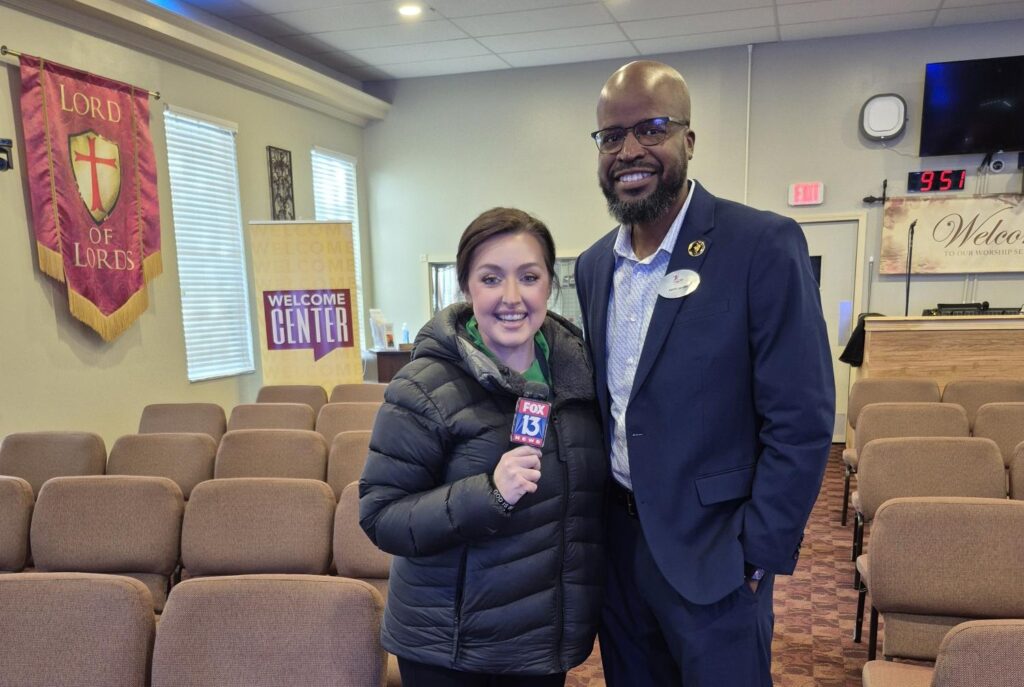
Jacobs has spent the past year working with school districts to provide individual courses to scholarship families whose students do not attend public or private school full time, paid for with scholarship funds. About 70% of Florida school districts are participating.
The scholarship application season for the 2026-27 school year begins Feb. 1. Visit Step Up For Students to learn more and apply.
The time has come when we officially recognize National School Choice Week. However, we at Step Up For Students like to say that every week is National School Choice Week.
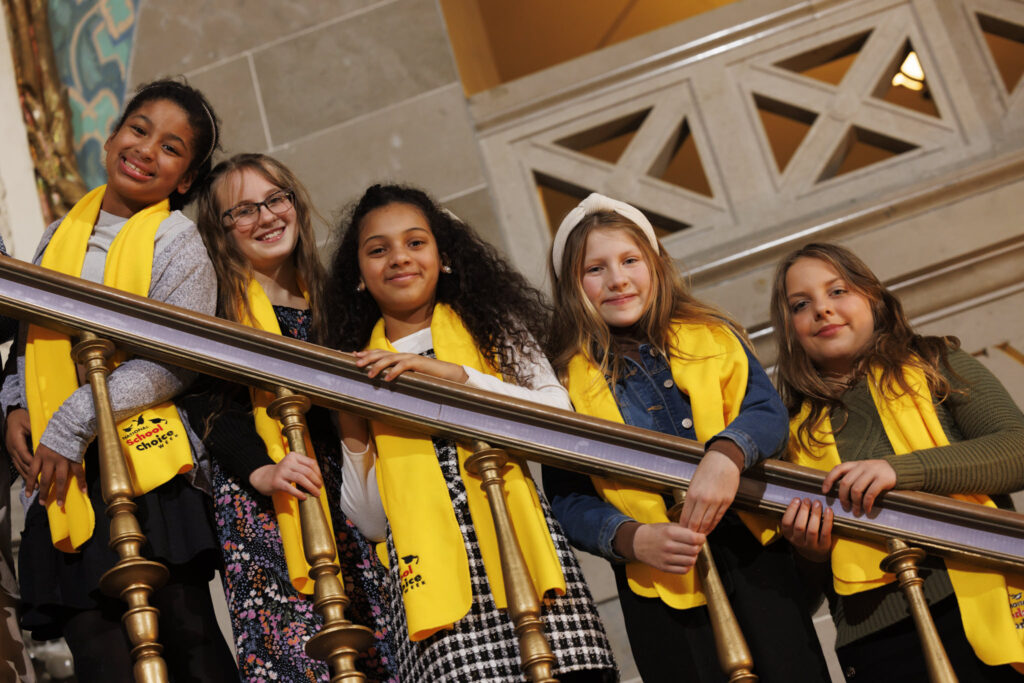
We are proud that Florida is the national leader in empowering parents to choose the best educational fit for their children. More than half of the state's K12 students used some form of education choice in the 2023-24 school year, according to the Florida Department of Education.
Parents’ ability to direct their children’s education has always been important, but even more so in the past 100 years, when the U.S. Supreme Court ruling in Pierce v. Society of Sisters (1925) gave parents the right to choose between public and private options.
“The child is not a mere creature of the state,” Justice James C. McReynolds wrote in the unanimous decision that the government cannot compel children to attend only public schools.
Catholic schools, which were the target of the law the high court struck down, cheered.
Fittingly, Catholic Schools Week, which we also recognize, is running concurrently this year with National School Choice Week. With its robust statewide choice scholarships, Florida is also a national leader in Catholic school enrollment growth.
National School Choice Week is a non-partisan celebration that encompasses all forms of choice: Traditional district schools, public magnet schools and charter schools, virtual schools, private schools, both religious and secular, microschools, home education and customized learning powered by education savings accounts that can include a mix of public and private programs.
Events are happening across the nation, from capitol rallies to school choice fairs to students in signature yellow scarves performing the official National School Choice Week dance in their classrooms or homes.
Throughout the week, NextSteps will share stories of students and families who have benefited from Florida’s many educational options. You will meet a young hockey player whose Personalized Education Program scholarship has allowed him to travel with his team to compete in international tournaments while keeping up with his schoolwork and educational goals. Ron Matus, Step Up’s director of research & special projects, will share his memories of a former student who was among the state’s first recipients of Florida Opportunity Scholarships pioneered by former Gov. Jeb Bush. A couple of years in a Catholic school were enough to put him on a path to a better life.
We will also bring you a story by a Tampa Bay FOX affiliate of a single parent who was able to send her son, who struggled in other schools with his autism, to a school where he is thriving, with dreams of going to college.
We will cap off the week at the festivities Thursday in Tallahassee, where Step Up representatives will have information about the Feb. 1 season open for 2026-27 scholarship applications.
Even if you aren’t at the rally, you can still learn about the scholarships and apply at www.stepupforstudents.org.
We can’t wait until next week. And the week after. And the week after that.
Because we serve Florida, where choice is the norm for all public education.

