Can giving low-income families more access to private schools spur the growth of more school choice options in the public school system?
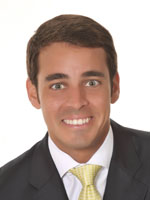 The question came up during the most recent debate over legislation that would accelerate the growth of Florida's tax credit scholarship program. Rep. Janet Adkins, R-Fernandina Beach, asked whether the bill could help spur "school boards and school districts to create more options for magnet schools."
Pointing to the growth of magnet programs and other public school choices in his hometown, the chair of the House Education Appropriations panel, Rep. Erik Fresen, R-Miami, said he believed it could.
"I don't think it's a coincidence that the explosion of magnet schools and of schools of choice within the public school system happened at the exact same time that options outside of the conventional public school system were happening,” he said.
The New York Times recently highlighted the growth of Miami-Dade's magnet programs in a story about the revitalization of magnet programs in urban districts around the country. Originally conceived as a way to increase demographic diversity in the era of racial integration, the Times observed magnet programs have seen renewed growth "as traditional public schools come under increasing pressure from charter schools and vouchers for private schools."
The number of children in Miami-Dade County attending magnet programs — which admit students from anywhere in the district and focus on themes like art, law or technology — has grown by 35 percent in the past four years. These children now account for about one in six students in the district.
The pattern is similar across the country. There are now about 2.8 million students attending magnet schools — more than the nearly 2.6 million enrolled in charter schools, which are publicly funded but privately operated.
"That’s what we’ve always theorized from the moment that we started talking about choice and choice options was that, not only would it lift all ships," Fresen said, but it would also spur school districts to create new programs "to meet different needs of students."
"I do think that the more that you expand choice options outside of the conventional public school system, the more the conventional public school system will innovate itself, and start responding to those demands and those changes,” he said. (more…)
The controversy surrounding a charter school bill began to fade on Tuesday, as a Senate panel stripped away its controversial provisions.
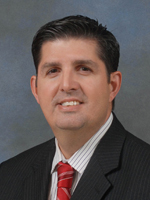
Rep. Manny Diaz Jr.
The original bill was intended to speed up charter schools' contract negotiations with school districts, give them more access to district-owned buildings and lure more high-profile charter networks from outside the state.
Those provisions have won support from Republicans and charter school supporters, but drawn criticism from school districts and Democrats during hearings in the House.
The Senate removed them from the bill during its first hearing this morning.
The amendment approved by the Senate Education Committee leaves a five-page bill with some new provisions. Now, the measure would bar charter schools from suspending or dismissing students unless they commit specific violations spelled out in the school's code of conduct, and require administrative law judges to resolve charter contract disputes within 30 days.
Sen. Dwight Bullard, D-Miami, cast the lone vote against the re-written bill. Sen. Bill Montford, D-Tallahassee, supported the measure. He has pushed for a separate proposal aimed at preventing charter schools from withdrawing students against their will.
Meanwhile, the bill continued to advance in the House in its original form. Its sponsor, Rep. Manny Diaz, R-Hialeah, said his goal is to "streamline" the opening of new charter schools, but he also hinted at plans to look for common ground with school districts and other groups that opposed the measure.
One contentious part of HB 7083 would require districts to make under-used buildings available to charter schools. House staff found that right now, there are 13 charter schools operating in school-district-owned facilities around the state, and eight of them either don't pay rent or use them for a "nominal charge." But they noted that in some cases, buildings have stood vacant, but have not been made available to charter schools looking for space.
Diaz told the House Education Appropriations panel that he is working on tweaks that would clarify that school boards would not have to offer up buildings they are already putting to good use, and set terms for "fair-market value payments" for charter schools that lease district facilities.
He also said he planned to re-work provisions that would allow national charter school chains to receive "high-performing" status from the state.

