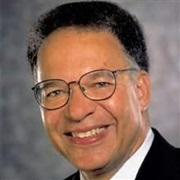
Price
The recent era of education reform has seen achievement gaps narrow, and low-income black and Latino students improve their graduation rates.
Yet, as Hugh B. Price argues in a new paper for the Brooking Institution, "the bottom line, after all these years, all the interventions, all the testing and tough love, and all the investment, is encouraging yet still underwhelming."
Some of the blame for the shortcomings, he writes, lies with something that has historically been a blind spot for reformers and educators: Social and emotional learning, which research shows can lead to students to better academic results, and make them more likely to reach college or find a job.
Stop here, and Price, a Brookings fellow and past president of the National Urban League, might seem to be making the case for schools that nurture children's needs holistically. For some children, that might require schools run by, say, church ministers or other culturally competent adults in their communities — an argument, in short, for school choice.
But Price is primarily concerned with students who have "palpably tuned out" of schooling — the kinds of students who turn up by the thousands in the "drop back in" or dropout-recovery academies (charter schools and otherwise) of Florida's largest school districts.
For these students, often at risk of graduating behind schedule if at all, he argues a new breed of school is needed, organized around a "dual mission of fostering academic and social development."

