 Jeb Bush may or may not seek the presidency in 2016, but those who dismiss his education foundation as a political prop are simply out of touch. What the Foundation for Excellence in Education is showing once again, with its fifth annual national summit, is that it is creating a sense of urgency and national purpose around our most fundamental commitment to each new generation.
A new Reuters
report, released as the conference got underway Tuesday, seemed so eager to minimize Bush's education credentials and disparage his motivations that it actually seemed to hold him responsible for Florida test scores that dropped five years after he left the Governor's Mansion. It then portrayed his foundation as fueled with "cash and clout" and his current agenda as "contentious."
Listen, Bush, as governor, was no shrinking violet. He used taut partisan muscle to accomplish most of his major reforms, including the grading of public schools and the creation of the state's first voucher in 1999, and some public educators still have the scars to show for it. But there is no disputing its impact on Florida schoolchildren, and his work through the foundation since he left office has evolved in meaningful ways. Bush has fostered an increasingly bipartisan and markedly civil campaign to improve public education. He also brings the kind of detailed policy knowledge that enables him to be viewed, no matter the setting, as one of the true adults in the room.
The Bush who opened the conference on Tuesday could hardly be described as contentious and certainly not partisan. He thundered about the lost opportunities for children of poverty, our moral commitment to those for whom the American Dream is becoming illusory, the complacency of parents whose children attend "fancy-pants high schools," and the urgent need for bipartisan consensus on education reform (referring to his foundation as "center-right, I guess"). He even invoked
Robert Caro's biography of LBJ, speaking admiringly of how a suddenly elevated President Johnson used forceful leadership in 1964 to pass the Civil Rights Act.
(more…)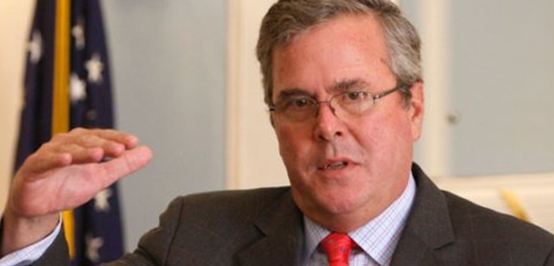 Jeb Bush may or may not seek the presidency in 2016, but those who dismiss his education foundation as a political prop are simply out of touch. What the Foundation for Excellence in Education is showing once again, with its fifth annual national summit, is that it is creating a sense of urgency and national purpose around our most fundamental commitment to each new generation.
