You may not know the name Rhode Malivert. But you’re familiar with her work if you ever tasted the caramel and sweet cream flavors in Häagen-Dazs dulce de leche ice cream.
“I was one of the engineers that worked on that,” said Malivert, who graduated with a degree in chemical engineering from the University of South Florida. She was also involved in the meat packaging process for Oscar Mayer deli-style turkey, as well as other grocery store products whose names people would recognize. She also worked as a metallurgist, traveling around the world to help clients design metal packaging.
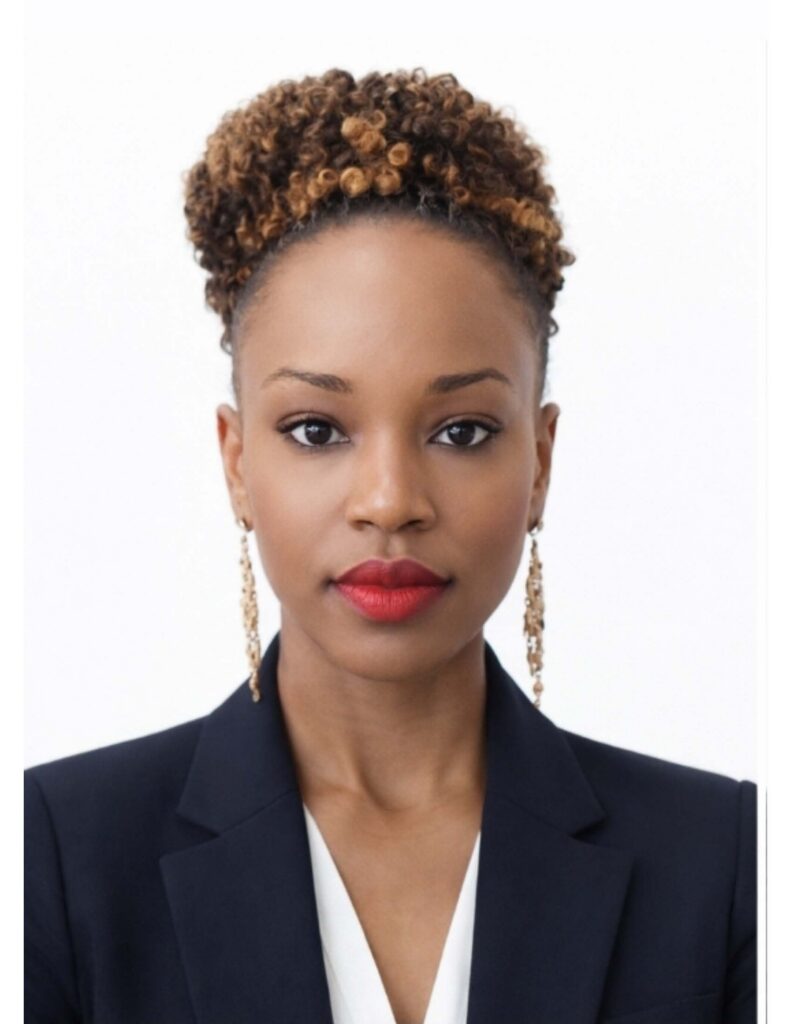
For 15 years, Malivert lived what many would consider the good life, with the hefty corporate salary that came with it.
Still, she felt empty.
“I didn't think I made a change in anyone's life by making those products,” she said. “So, I didn't think that I was changing the world or changing someone's outlook in life or making them feel different.”
Malivert, who immigrated to the United States from Haiti at age 11, attended zoned public schools in a low-income area of Orlando alongside many students she said are likely “in prison, in debt, or dead.”
Those classmates haunted her. They also inspired her.
“It's people like those students that we need to continue to reach out and give opportunities to and let them know that there's an alternative… and that they can still be able to strive and be successful in their academic journey,” said Malivert, whose parents named her for a servant girl in the book of Acts who announced the Apostle Peter’s miraculous release from prison.
After a lot of prayer and a heart-to-heart talk with her mom, Malivert left the corporate world and used her retirement account to start an online school. Though she had never worked as a classroom teacher, she had mentored many junior-level employees in her field and felt fulfillment in that experience.
She told her mother, “I’m going to bet on myself, and I’m going to bet on my dream to help people.”
K12 Prep Academy started in 2019 with 30 students. Malivert partnered with nonprofits to offer classes to students in Haiti and the Dominican Republic who didn’t feel safe traveling to traditional schools. She also offered adult education. Those students were private pay or financed by their sponsoring non-profits and did not use Florida education choice scholarships. Malivert said her school has helped more than 1,500 adults around the world earn their high school diplomas. They also provided options for families in remote areas where the nearest school was many miles away.
When the coronavirus pandemic hit a year later, enrollment at the South Florida-based provider increased tenfold to 300 as parents in states where schools shut down and those who simply feared sending their children back to in-person schools scrambled for options.
“It was quite a jump,” Malivert said. “And we made sure that we served our students and made them feel they were the only student that we have, and we still do. That’s one of the reasons they come back to us.”
It was that individual attention that influenced Katherine Penczak to choose K12 Prep Academy for her son, Benjamin, who has a neurodiverse condition that affects his behavior.
Benjamin, who is entering fourth grade this school year, previously attended an in-person private school. Penczak had no issues with the school or the overall quality of its instruction. It just wasn’t the best fit for her son.
“He was interacting with classwork because he had to do it not because it was a love,” she said. K12 Prep Academy engaged him and developed his intellectual curiosity and critical thinking skills.
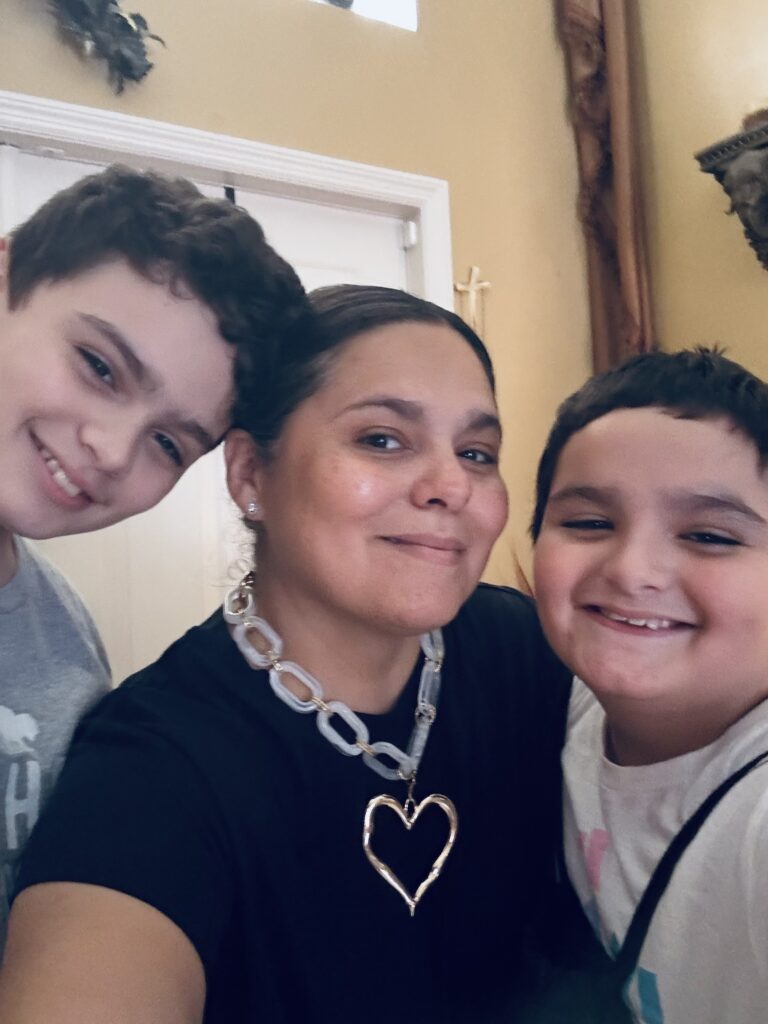
Benjamin also needed to work at his own pace, and the strict timelines of the traditional school sometimes left him behind. K12 Prep Academy gave him the flexibility he needed by offering asynchronous lessons.
Penczak said a conversation with “Ms. Rhode” showed a commitment that went beyond academics.
“She said things that I was thinking and feeling; she basically put it that we're here, not just academically, we're here for the emotional part, and that translated to me as exactly what I was looking for,” Penczak said.
Need to have math class later because you need a break? No problem. Penczak said she was able to identify times when Benjamin learned best and customize his day.
She also likes that the school has students write journal entries about each lesson.
“It really opens the curiosity for the children,” she said, noting that Benjamin logs into school each day excited to learn and is now at grade level in his subjects.
Even though the school is online, Penczak finds the support is as good, if not better, than many in-person schools. Ms. Rhode, she said, “is always checking in.” The IT department is always available to help with any technical issues.
She has also noticed a change in Benjamin, who was reluctant to greet unfamiliar people at his previous in-person school. Now, he initiates introductions to teachers and is comfortable contacting them.
“K12 Prep Academy has not just the academics but the emotional part,” she said. “It's so hard to get both in many schools.”
In 2023, another door burst open for Malivert when Florida Gov. Ron DeSantis signed HB 1, which converted all education choice scholarship programs to education savings accounts and allowed parents to use their ESA funds on individual courses at non-sectarian online schools.
In 2025, K12 Prep Academy became a state-approved K12 scholarship online homeschool provider, accepting the Personalized Education Program and the Family Empowerment Scholarship for Students with Unique Abilities, which are education savings accounts administered by Step Up For Students. The school’s enrollment is about 232. Its 16 teachers allow for a student-teacher ratio of 22:1. It is accredited by Cognia and received an overall A grade from Niche, an online platform that ranks schools based on state data and user reviews. K12 Prep Academy is also approved as a provider under the state's Virtual Instruction Program for public school students in grades nine through 12. School districts are allowed to contract with approved providers and use the providers' teachers.
Lessons are pre-recorded to allow maximum schedule flexibility to accommodate activities such as sports, music, drama, or travel as well as different time zones. However, Malivert said, students also have access to live teachers for tutoring, questions, or concerns.
In addition to credit recovery, dual enrollment is provided through an agreement with Malivert’s alma mater, the University of South Florida. Advanced Placement classes also are available.
Looking back, Malivert said taking a chance to pursue a radically different life path turned out to be worth it. She now can see the effects of her work. She still partners with nonprofits to help educate victims of abuse, which include young girls who were forced into marriage as well as survivors of human trafficking. Malivert recalled a student whose abusive husband forbade her to get a high school diploma. But whenever he was at work or away, she secretly took classes a little at a time. Malivert got her a private scholarship to cover the cost. When the student finally graduated, she had her diploma mailed to a friend’s home.
Two years later, Malivert got a phone call from her former student. She had left her husband and become a nurse.
“And she was crying on the phone, and she’s like, ‘You know, you made this possible, and I’m able to leave. And I know I’m financially stable. That’s why it gave me the courage to leave because I know I can take care of my children now.”
To Malivert, those words were much sweeter than any high-end ice cream.
FREEPORT, Fla. – When Lindy Wood first heard about school choice in Florida, she was living in her home state of Alabama and frustrated with the lack of educational opportunities for her son, Weston. Weston is on the autism spectrum. And while Alabama had a private school choice program back then, it was limited, and Weston would not have qualified.
Florida is “putting the power in the hands of mom and dad,” thought Lindy, then a psychiatric nurse practitioner. “That’s incredible.”
In 2016, Lindy and her husband, Jason, moved their family four hours south, from the small town of Livingston, Alabama, to the small town of Freeport, Florida. But it wasn’t just because Weston, now 16, could benefit from school choice.
It was because Lindy knew she could leverage Florida’s choice programs to build a school.
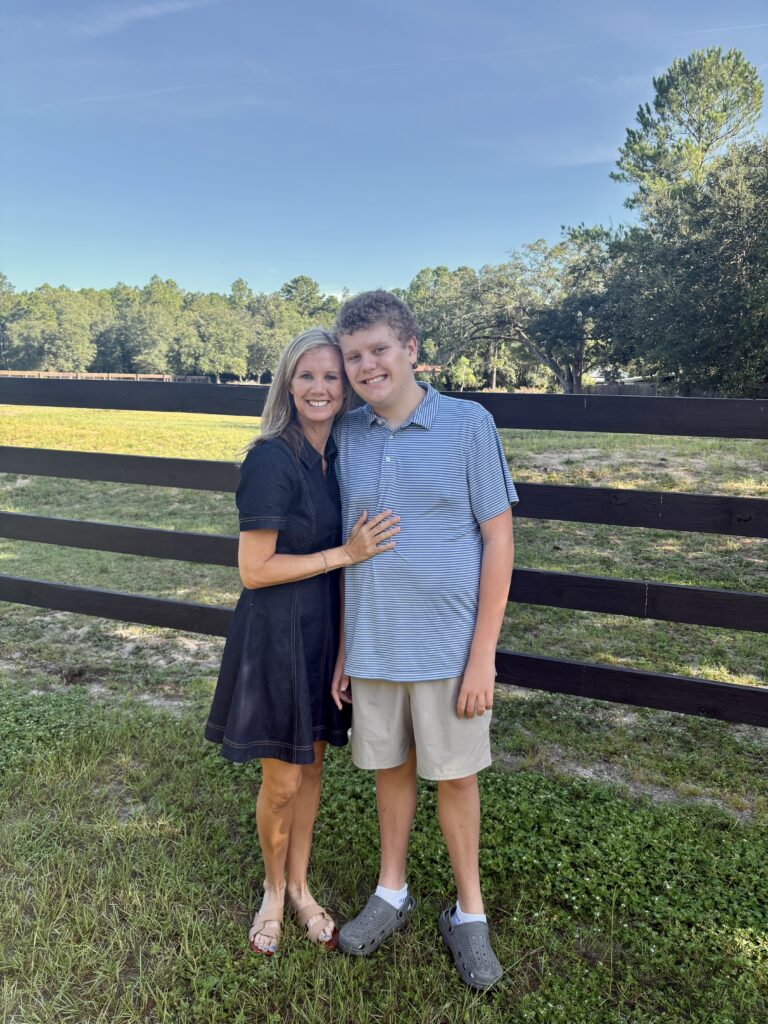
That school is Westonwood Ranch. It focuses on independence for individuals with developmental differences, and, accordingly, specializes in life skills and job skills and what Lindy calls “functional education.”
“These kids are empowered to care for themselves,” Lindy said. They’re “cultivating a life outside of mom and dad’s shadow.”
Lindy opened Westonwood in 2019 with four students. Now it serves 60.
Eighteen are in grades six through 12. Most of the rest are young adults. Most are on the autism spectrum.
Nearly all of them use or used the scholarship that drew the Woods to Florida.
The students care for farm animals, work in three different businesses on campus, and gain opportunities to work for companies off campus. Beginning next year, some of them will live on campus as adults, thanks to a 46-unit supported living community now under construction.
Westonwood parents call the school a “godsend” and a “miracle.” Many have either struggled with the “services cliff,” the dropoff in state supports their children face as adults, or the anxieties that come with that cliff looming.
Now they have hope.
“He’s a happy person now. He wasn’t when he got here,” said retired police detective Robert Stevenson, referring to his son, Matthew. “It shows what kind of days Matthew has when I pick him up and he says, ‘Hey Dad,’ and he’s smiling.”
“We lit countless candles,” said Robert’s wife, Maria. “Lindy answered our prayers.”
Westonwood Ranch highlights two trends tied to Florida’s embrace of school choice.
First, it’s an excellent example of the kinds of schools emerging all over Florida because parents are in control. Over the past 10 years, the number of private schools in Florida has grown by a third, a net gain of 828 new schools. Forty states don’t have that many private schools.
Second, more families like the Woods are moving here because of choice (see here, here and here). Scholarships worth $8,000 or $10,000 on average are drawing these “school choice transplants.” So is an education system that is far more diverse and dynamic because half a million students are using them.
When Weston was young, the Woods bought a second home in Birmingham, 110 miles away, because that’s where his Applied Behavioral Analysis services were. Lindy knew Weston would eventually need a school that focused on independent living. Along the way, it became clear that she’d be the one to create it.
“I think the Lord put that mission in me,” Lindy said.
(Today, Alabama offers an ESA with universal eligibility that gives students with special needs priority for funding. Unlike Florida, the program is still subject to annual funding limits.)
The Woods checked out properties all over the Panhandle that might work for a school before finding 40 acres near Freeport. The area is rural but fast growing, along a scenic stretch of highway that overlooks Choctawhatchee Bay.
“As soon as I saw it,” Lindy said of the mostly wooded site, “I felt this calm.”
The ranch setting isn’t an accident. Lindy and her husband grew up with horses. And when Weston was young, riding horses would leave him calm for hours. “I could sense, early, the power in that,” she said.
Westonwood offers equine therapy. It also includes an assortment of other animals, including pigs, chickens, goats, rabbits, and alpacas.
“With animals, you can form that bond that doesn’t require any words,” Lindy said. “It’s a low-pressure environment of acceptance and support.”
Westonwood has a covered equestrian area, multiple classrooms with 20 instructors, and a big aquaponics greenhouse.
In the on-site businesses, students make dog treats and scented candles and grow butter lettuce. The dog treats are sold to real estate agencies and pet-friendly hotels, and to individuals through Shopify. The lettuce is sold to high-end restaurants.
The candles are new. The students are doing presentations to local businesses to ramp up sales, and they’ve already landed orders from a couple of salons.
Westonwood’s approach works for Valerie Hamon’s 13-year-old son Lucas.
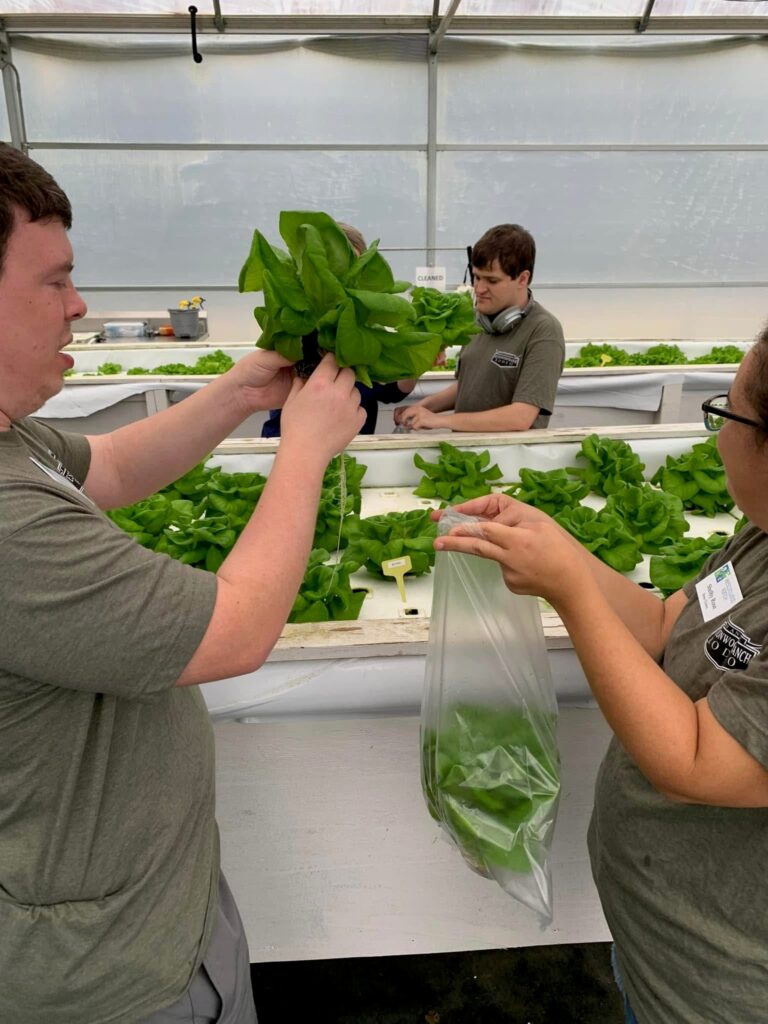
Valerie enrolled him last year after Lucas, who has Williams syndrome, faced bullying and other issues at his prior school. “He wasn’t wanting to go to school anymore, which wasn’t like him,” said Valerie, a public school teacher. “That was really hard to see.”
At Westonwood, Lucas participates in a half-dozen clubs, including yoga, cooking, and sewing. He hones his skills through work on the ranch and its affiliated businesses. For example, math skills are deployed making change during sales, while presentations to clients boost confidence with public speaking.
“He is happy. He is growing. He is learning,” Valerie said. “It isn’t the same academics he would have had (in his prior school) but every kid is different. Every kid deserves to learn in the way that is best for them.”
Lindy didn’t want a school limited to wealthier families, which is why Florida’s choice programs were critical.
Florida’s Family Empowerment Scholarship for Students with Unique Abilities is available to students from ages 3 through 22. Students may use it through high school graduation, or, if they don't graduate, until they turn 22.
Even with the scholarships, Westonwood must raise a lot of money. The school hosts several fundraisers, including an annual rodeo that draws 6,000 people. Families, churches, and businesses all chip in, too.
“Sometimes I’d wake up, ‘What am I doing? This is impossible,’” Lindy said. “And every time, something would happen – like someone said, ‘I’d like to provide all the plumbing supplies for this project.’ “
The community is willing to give, she said, “because they see these young people engaged and happy.”
Michael and Gina Walker said their daughter Selah, who has Down syndrome, often felt socially isolated and academically deficient in her prior schools. Then Gina, who’s a Realtor, heard about Westonwood from her secretary, whose grandson was thriving there. The Walkers got a glimpse at the rodeo. They saw him not only carry out the American flag to begin the event but also work the show as a rodeo clown.
“The other students were there, singing their heads off,” said Michael, who’s a stay-at-home dad so he can support Selah. “It was eye opening. We were in tears.”
Westonwood has been transformational for Selah, now 17. More than anything, the Walkers said, the school reinforces the independent living skills they emphasize at home, from personal hygiene to cooking meals. The animal husbandry piece has also been key.
“These animals depend on her,” Gina said. “It builds her confidence, her self-awareness.”
Ultimately, Michael said, Westonwood has given Selah “the ability to know she can do these things without help from us.”
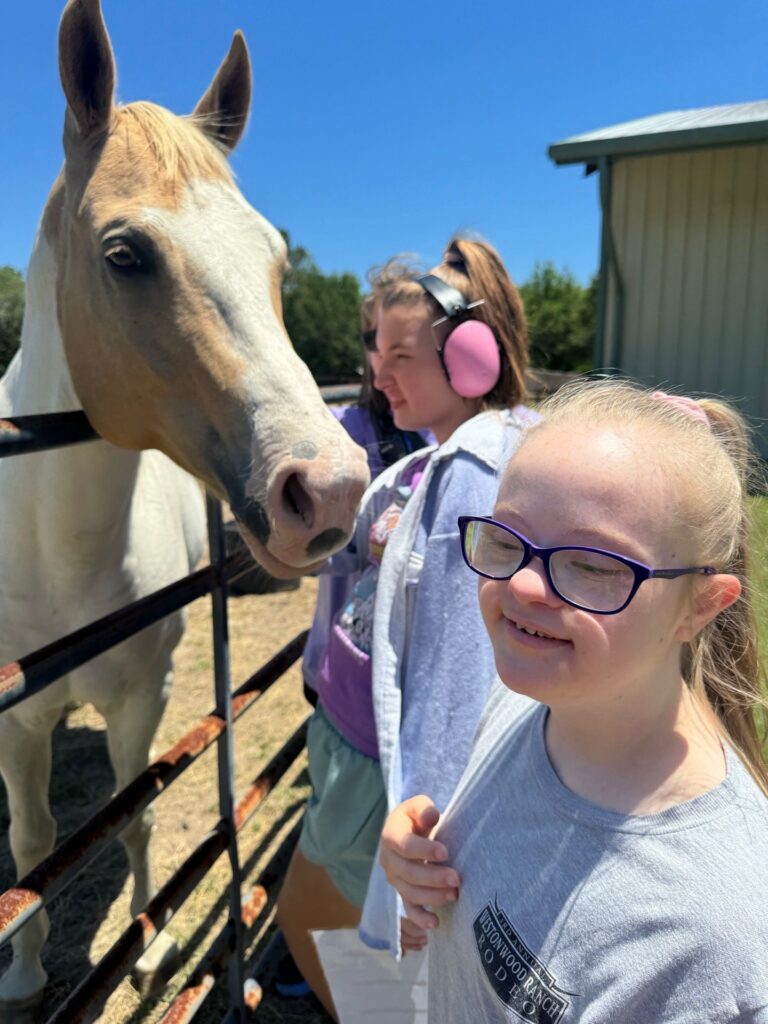
The Stevensons were living in New York when Robert’s mom in Freeport sent them a newspaper story about Westonwood. The Stevensons spent years battling schools on Matthew’s behalf but finally found one that worked for him on a state-supported farm. Unfortunately, students there are “aged out” at 21.
“These students, they’re late bloomers,” Maria said. “But at a certain age, they (the state) would just take these individuals and say, ‘That’s it.’ That would infuriate me.”
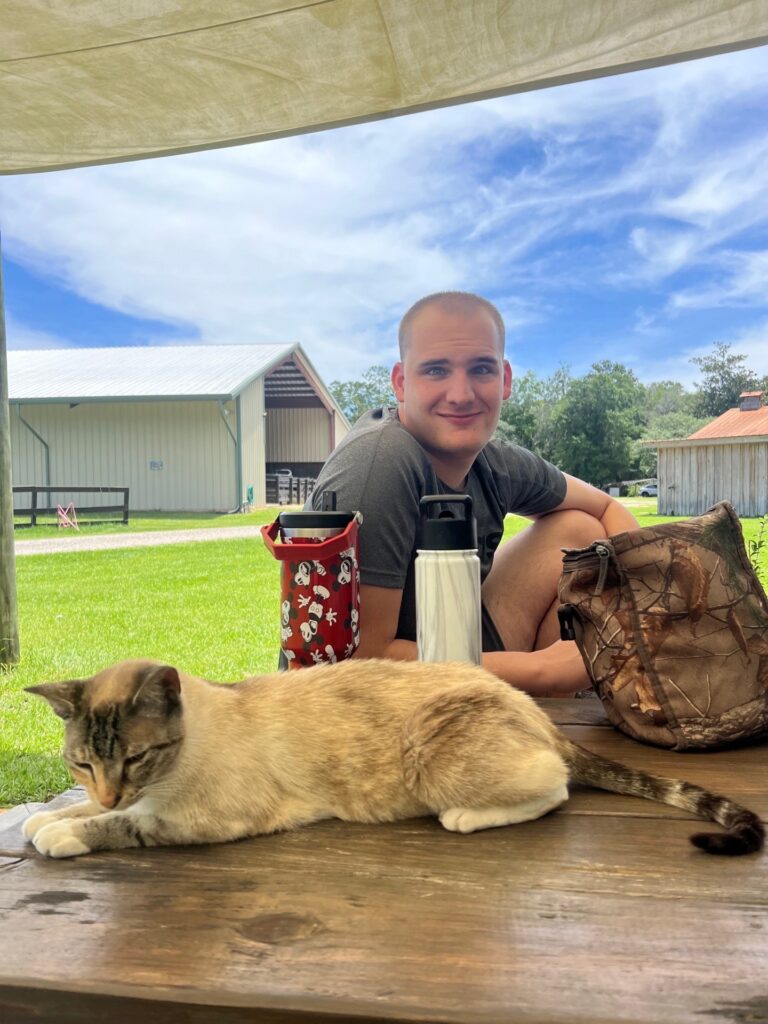
The Stevensons loved what they learned about Westonwood. They wanted to continue the momentum Matthew gained at the farm school, so they quickly moved to Florida. They could only use the choice scholarship for one year, but the school has been a game changer.
Now 24, Matthew’s behavior challenges have eased dramatically. He enjoys his jobs, especially emailing pitches about the ranch’s products to resorts. And he not only won several awards at the end-of-year ceremony, including one for his devotion to the ranch’s horses, but he also presented an award to another student.
The bottom line, Robert said, is “they’re helping him grow up.”
On this episode, recent college graduate Jasmine Meriedy shares her inspiring journey as a Florida Tax Credit Scholarship recipient and advocate for high-quality education and healthcare. Discover how her experiences with small classrooms, dedicated nurses, and advocacy work shape her vision for future generations.

Episode details:

Resources & Links:
Connect with Jasmine:
BROOKSVILLE, Fla. – Once they decided to sell their teaching farm in Indiana, Amanda Jo and John Boener knew they were going to move their homeschooling family to another state. They just didn’t think it’d be Florida. The couple’s nature-connected education venture is called A Wild Home, and a wild home and its affiliated wild school couldn’t possibly fit in a state teeming with 23 million people, right?
But then, two things about Florida grabbed the family and wouldn’t let go.
First, a trip to Florida left them enchanted with the Everglades and the springs and the Sunshine State’s other natural wonders.
Second, as they were researching which states had the best homeschool laws, they learned Florida offers state scholarships not only for school choice but education choice. In other words, options for families who want something other than full-time schools.
Just like that, Florida went from not in the picture to front and center.
“It almost sounded too good to be true,” said Amanda Jo, who goes by AJ. “With the Step Up (For Students) scholarships, we realized not only could our kids benefit, but we could continue the work we do.”
Last year, AJ and John opened Florida Wild School, a hybrid homeschool/à la carte operation in Brooksville, a small town an hour north of Tampa. It’s the Florida version of what they were doing in Indiana, and it’s already serving 50 students a week. Almost all of them use choice scholarships; many are neurodivergent, and some travel from up to 90 minutes away.
The operation spans two city lots, which doesn’t sound like much for an outdoors school. But in AJ and John’s capable hands, it’s more than enough to create a rich, green classroom.
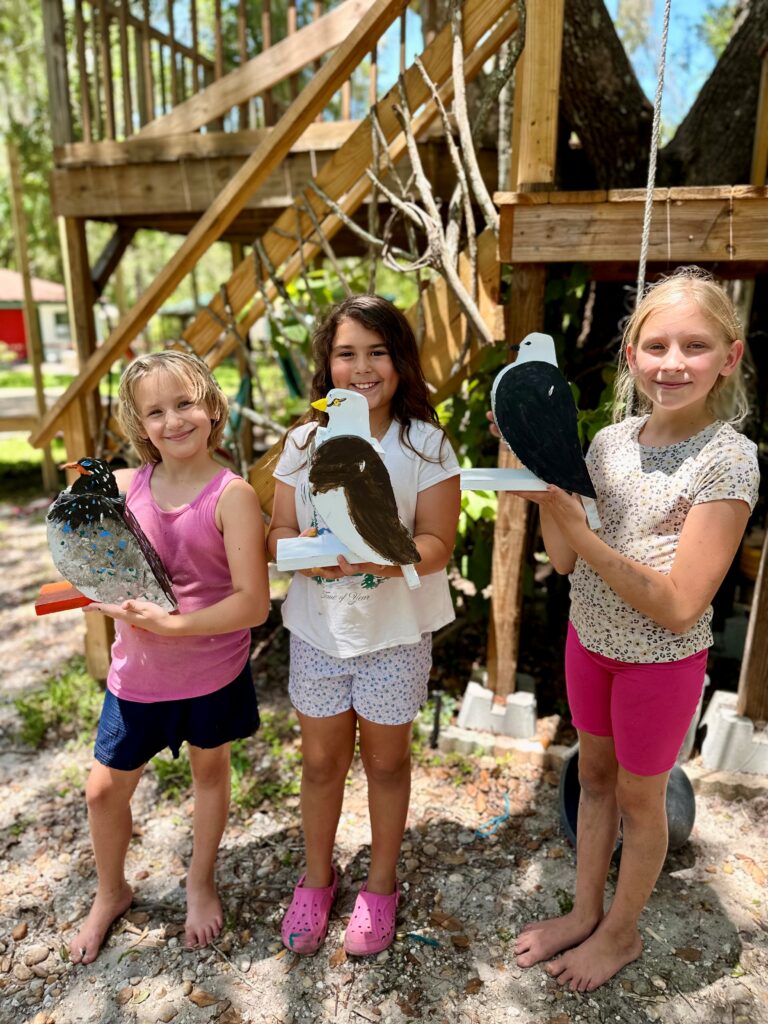
Florida Wild School includes a big garden, a “forest orchard,” a rainwater collection system, three composting stations, a treehouse … even a wooden beehive.
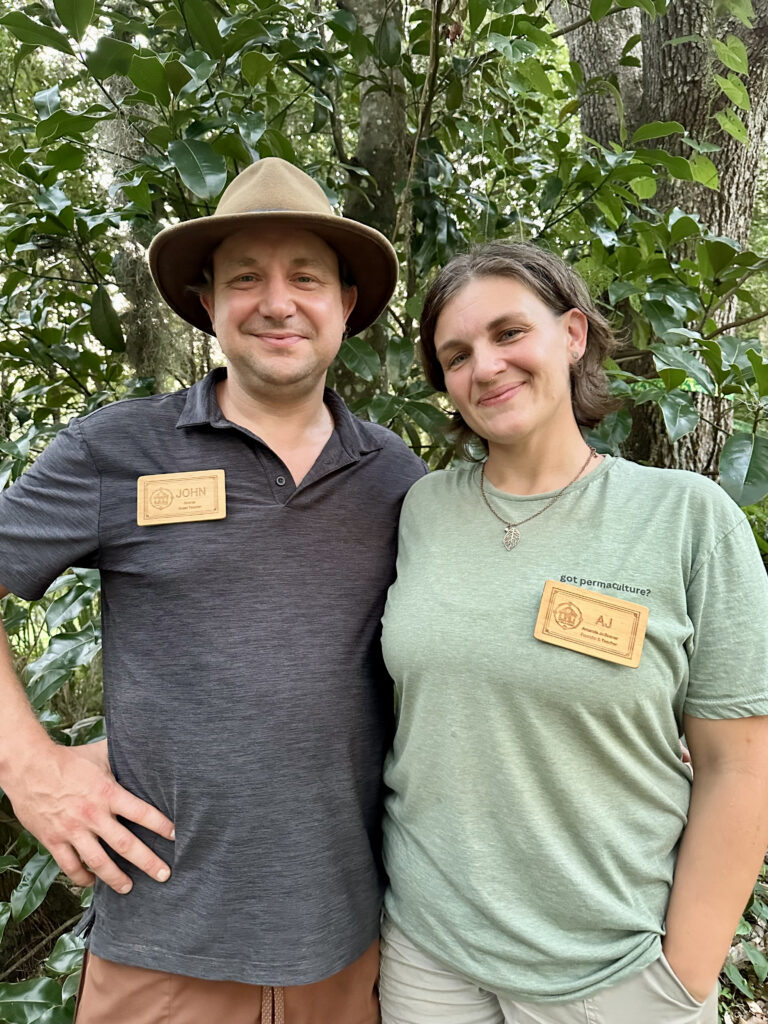
Students from 5 to 17 years old come to this oasis one or two days a week. They learn everything from gardening and woodworking to how to make natural medicine and forage for edible plants. (AJ has counted 150+ species of native or Florida-friendly plants and fungi on site.) They also keep nature journals and participate in group sessions where they share what they learn and what they’re grateful for.
Along the way, they absorb deeper lessons, about curiosity, diversity, community, all rooted in outdoor learning.
“We see Mother Nature as a partner in teaching,” AJ said.
Florida Wild School represents multiple trends.
The Sunshine State has dozens of nature schools, hundreds of hybrid homeschools, and more than 7,000 à la carte providers. Growing numbers of à la carte families representing more than 150,000 students are using choice scholarships to pick and choose from among them.
Nothing on this scale is happening anywhere else in America.
At the same time, Florida is increasingly home to families who moved here either because of choice scholarships; the diverse options that choice is fueling; or both. These “school choice transplants” (see here, here, and here for starters) sought schools that were a better fit for their children.
AJ and John put new twists on that phenomenon. They’re here for education choice and to continue an education model they cultivated in another state.
Florida is giving them an opportunity to not only keep their model thriving, but to reach an even more diverse array of families.
Up north, the families who accessed the wild school “tended to be people who were a little more privileged,” John said. But in Florida, “I can say for sure there are families who wouldn’t be able to access our program without the scholarships.”
AJ and John put a lot of thought and research behind their school.
AJ is a National Geographic certified educator and a certified permaculture designer. To get a glimpse of her deep knowledge about plants alone, read this piece she wrote for Mother Earth News about making jam out of autumn olives. John, meanwhile, is a carpenter by trade who can probably make and/or fix anything. If that sounds like a stretch, watch this video about the school bus he converted into an RV. (The video has 300,000+ views, so you won’t be the only one to find it captivating.)
Had it not been for that bus, John and AJ might not be Floridians.
Four years ago, they decided they wanted to see the country with their four children, now aged 8 to 14. They sold the farm and hit the road in the “skoolie,” unsure how long the adventure would last. They ended up traveling for two years, with Florida unexpectedly stealing their hearts.
Reverence for natural systems is embedded in their approach to education.
One day last week, students donned beekeeper suits and accompanied John to the hive at the back of the property. John told them the lesson would be relatively quick, out of respect for the bees.
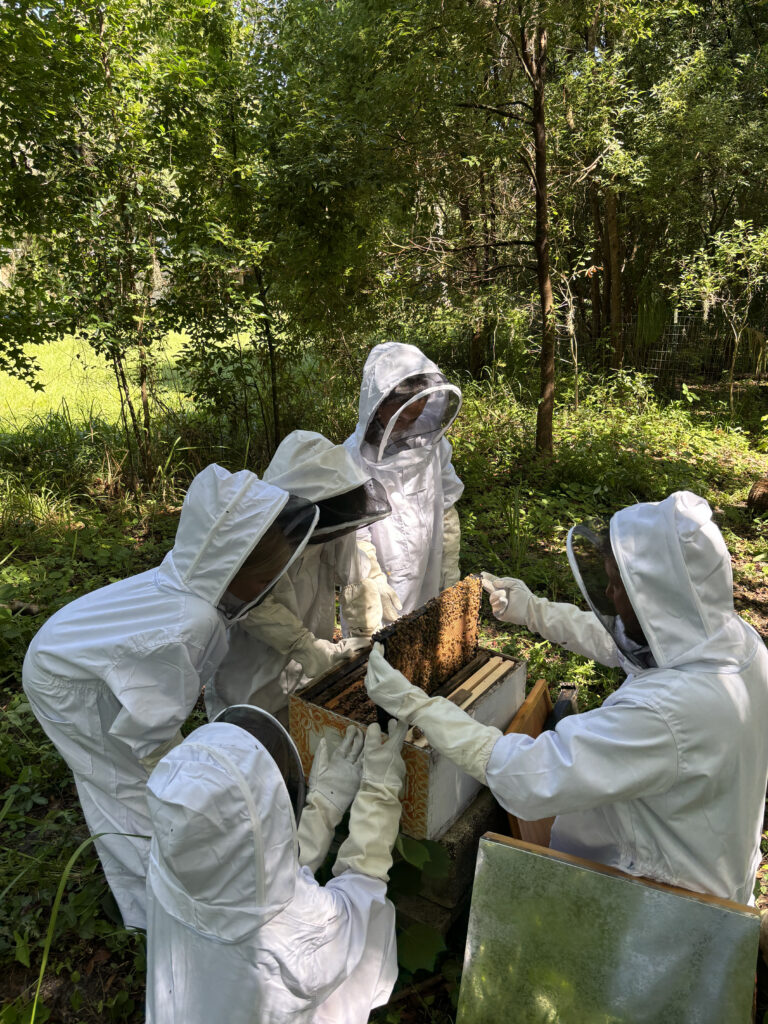
“I don’t want to push them any more than I need to,” he said. “If you mess with them too much, they might get agitated and leave.”
While the students leaned in, John popped the hive’s lid and pointed to invading beetles scurrying on the underside. Then he removed a frame, wall to wall with bees, and noted the dark, capped cells where baby bees were growing inside.
The students peppered him with questions and comments.
“I don’t see much honey.”
“One bee is carrying another one off.”
“Where’s the queen?”
In minutes, the students learned the difference between workers, drones, and queens; witnessed how the workers keep the hive tidy by removing their dead sisters; and heard John’s enthusiastic description of what happens when a colony splits into two, and some of the bees swarm out with the queen to start a new location.
Parents say lessons like these leave lasting impressions.
Mark Lopez said his daughter Hayven, 10, was not happy with her prior school, numbed by long hours inside. So, with help from a choice scholarship, he decided to try à la carte learning.
The web designer thought the wild school would be a good complement to the other enrichment activities he lined up. But it turned out to be so much more.
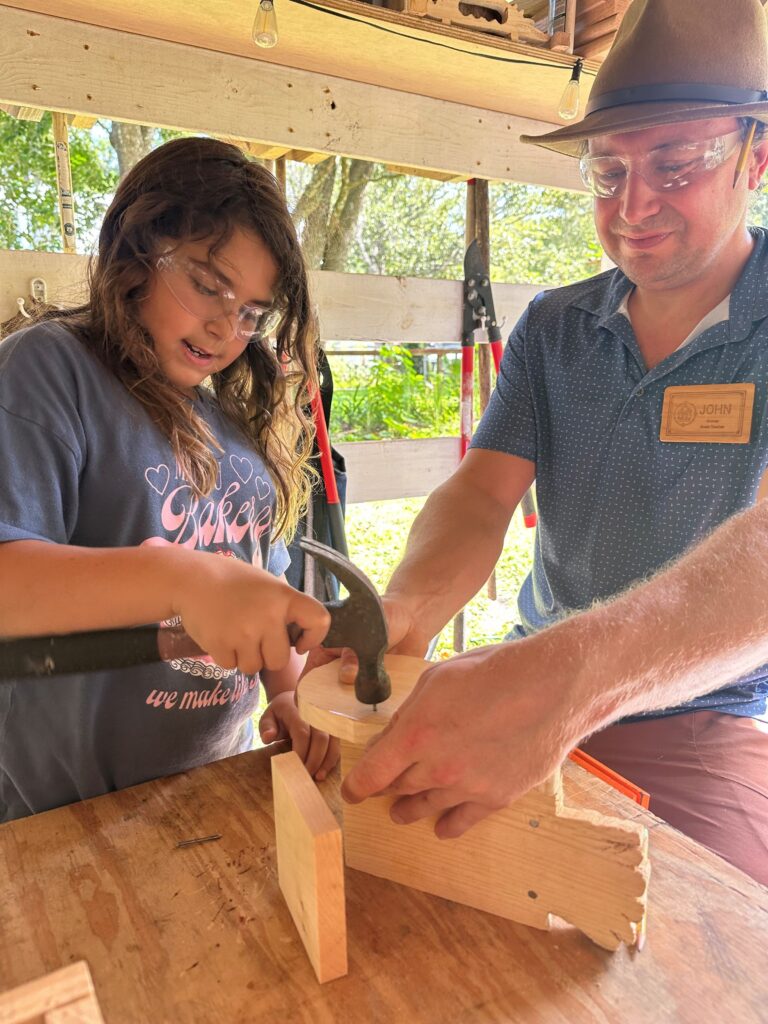
Hayven set up a “worm farm” in her room; identifies native plants when she and Mark go for walks; and asked for a woodworking kit like the one she used at school, so she could tinker with her own projects at home. One day, Hayven “sat there for hours, chiseling away, making horses and little characters to go on them.”
Even better, Mark said, his once-shy daughter is making friends and becoming more outgoing. She’s so amped about school she gets herself up in the morning and packs her own lunch. And when Mark picks her up and asks what she learned, she doesn’t say, “I don’t remember.”
“She says, ‘Dad, I did this, and I did this, and I did this,” Mark said. “It’s been a complete change.”
Jenna Gonzalez said Florida Wild School has become a pillar of her kids’ learning, too.
Roman, 11, and Charlee, 9, previously attended public and private schools. Neither worked for them. So, Jenna, a single mom and former salon owner, used choice scholarships to go à la carte. She researched “a gazillion places” before picking providers, but “no place felt more right and more genuine” than the wild school.
It’s not just that her kids love the lessons, Jenna said. (The Gonzalez family now has a “worm farm,” too; theirs is under the kitchen sink.) It’s that John and AJ’s approach ensures they feel safe and supported, so they can focus on learning.
In that respect, Jenna said, Florida Wild School has rubbed off on her entire learning regimen.
“When a child’s nervous system is off, there’s no taking in that math lesson,” she said. “It’s important that my kids not only be physically safe, but be where they are emotionally, mentally, psychologically, every-which-way safe.”
AJ said families are drawn to the wild school because “we live in a world with so many distractions … and everybody’s in such a big hurry.”
Against that backdrop, Florida Wild School is “a haven.”
“There are a lot of parents who realize we’re not doing this human thing very well,” AJ said. “Some parents practice elements of what we teach on their own but want to do more of it with help from other adults. Some want to do it but have no idea how.”
“Either way, we’re here to help.”
Editor's note: This guest post is from our partner organization, Step Up, Step Further Scholarship Fund.
Exciting news for Florida K-12 students and families!
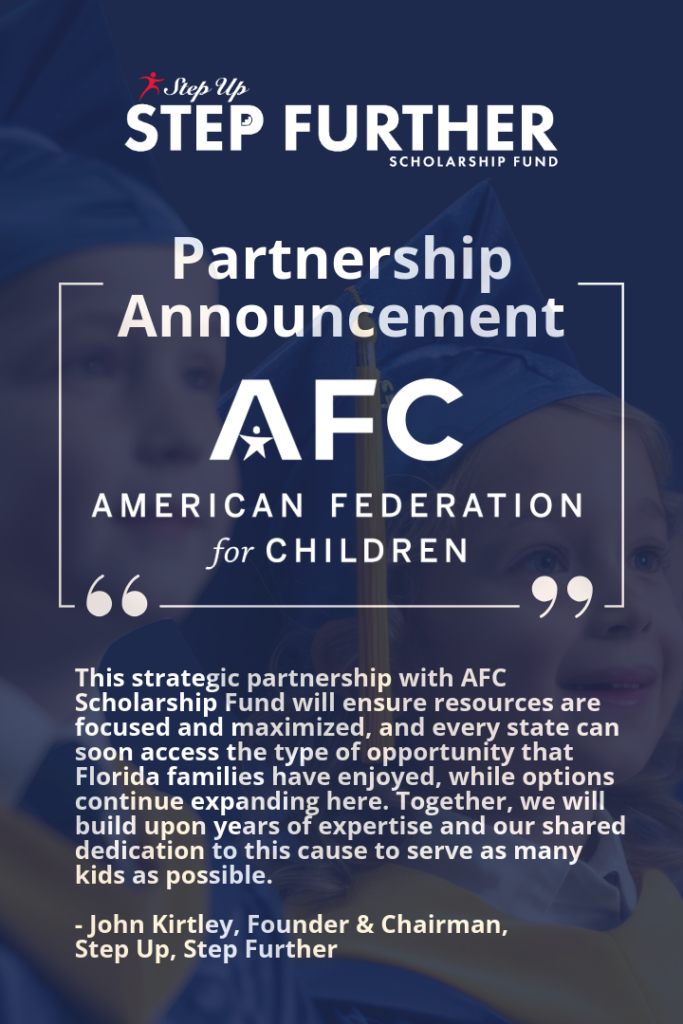
We are proud to announce a strategic partnership between the American Federation For Children (AFC) Scholarship Fund and Step Up, Step Further Scholarship Fund, powered by Step Up For Students to help expand access to educational opportunities through the Education Freedom Tax Credit program.
By bringing together AFC's national leadership in education choice and Step Up For Students' proven experience serving Florida families, this partnership represents an important step toward helping more students access the educational resources and learning environments that best meet their unique needs.
Beginning in 2027, the Education Freedom Tax Credit will create new opportunities to support K–12 students through scholarships that can help fund tuition, tutoring, technology, educational services, and more. Together, we're committed to ensuring Florida families have access to opportunities that help students learn, grow, and thrive.
This is about more than scholarships; it's about empowering families, strengthening communities, and creating brighter futures for Florida's next generation.
Read the full announcement here.
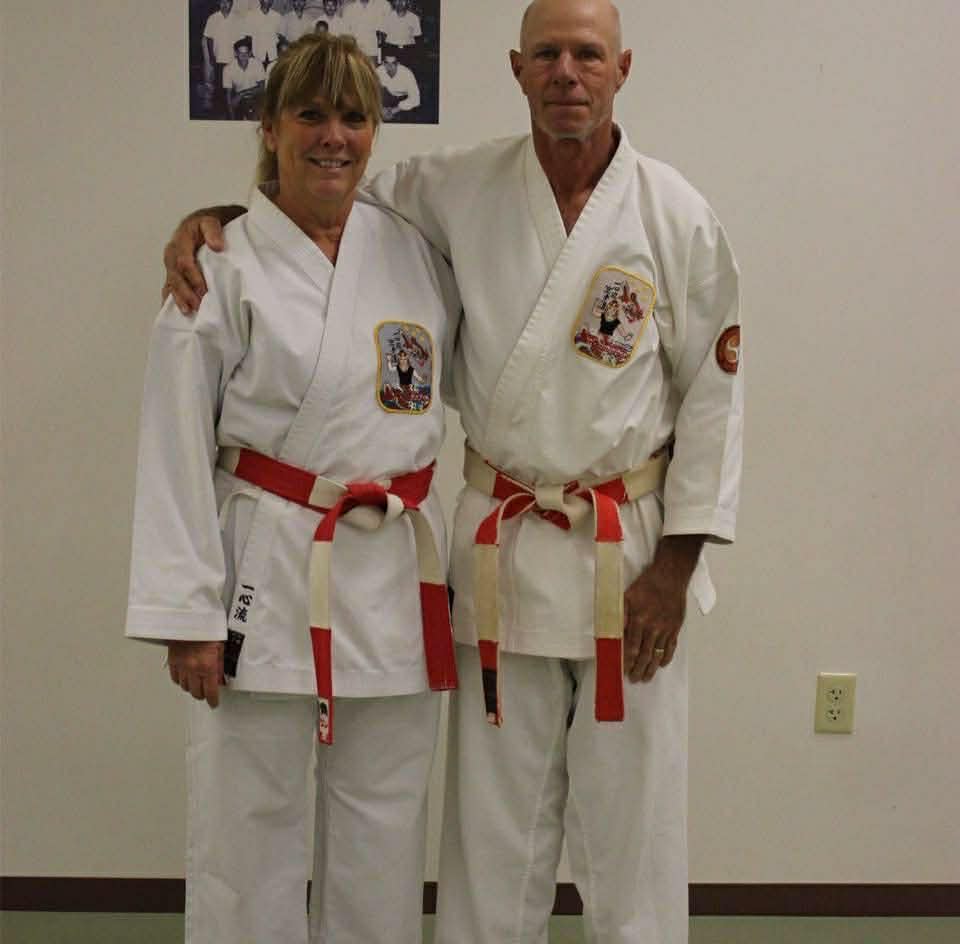
TAMPA, Fla. — A half-century ago, John and Cindy Ingram built a strong reputation emphasizing family.
Besides their children, their children’s spouses, and their grandchildren, that definition also includes the thousands of students who have bowed at the door of Ingram’s Karate dojos since 1977.
Each evening, these spaces, which some treat like holy ground, spring to life. Crisp white uniforms snap as students kick, punch, and shout, “kiai!”
Soon, a different type of energy will be seen before dark, when homeschoolers come to sharpen their core academic skills and participate in some “old-fashioned P.E.”
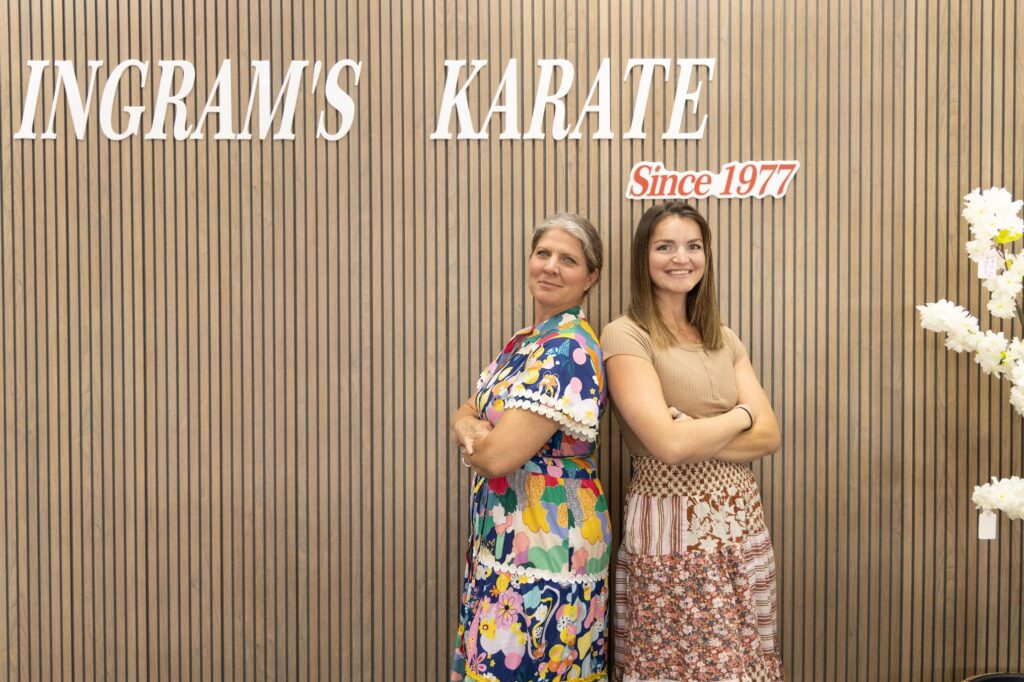
Ingram’s Balanced Path Learning will open in September as a homeschool co-op two days per week at two of its three dojos in the Tampa Bay area.
“We have these beautiful facilities that are only used in the evening. It's like everything just lined up,” said Sheri Ingram-Angwin, a former homeschool mom and seventh-degree black belt. A daughter of John and Cindy Ingram, she owns the Carrollwood and New Port Richey dojos. Both accept direct payment for karate fees from education savings accounts administered by Step Up For Students.
“I don’t know how we didn’t think of it for so long.”
According to Step Up For Students, almost 50 martial arts providers across Florida accept direct payment for participation in their programs, either as P.E. or enrichment. That does not include providers for which parents receive reimbursements after up-front, out-of-pocket payments. These providers are part of the state's rapidly growing number of à la carte learning options. In 2024-25, Florida had 4,318 non-school education providers offering à la carte courses, tutoring, extracurriculars, and more, which was more than double the number from the year before.
By opening an academic co-op alongside its karate program, the founders of Balanced Path will take things a step further. Angwin’s daughter-in-law, Leanna Angwin, and sister, Ashley Bache, will teach classes in math, reading, history, and science. Both hold state teaching certificates. Bache and Leanna have teaching experience at a classical charter school and a district middle school.
Most recently an eighth-grade math teacher, Leanna originally studied to become an accountant. But she realized after a couple of internships that “I really didn’t like it.”
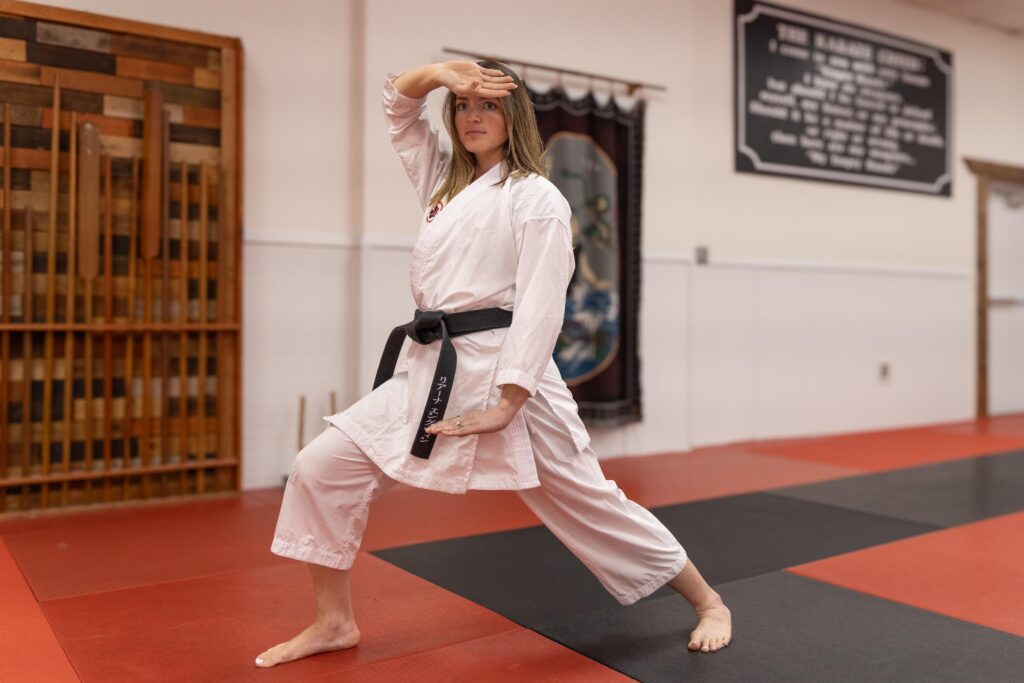
During her search for her true calling, she recalled how she had enjoyed helping people with homework. Now training for her second-degree black belt, Leanna also found fulfillment at the dojo in helping kids learn fundamentals. She joined Ashley, whom she affectionately calls her "aunt-in-law," at the charter school before the two headed to the public school for better pay and state benefits.
After a while, Leanna found herself wanting something that felt more rewarding, like the private tutoring she was doing on the side. She also found herself wanting to homeschool her future children.
“My mom was a stay-at-home mom, and I got to spend a lot of time with her, and my dad worked from home,” she said. “So, I see the importance of kids being at home with their parents.”
For Ashley, a former horse anesthetist, tragedy led her to a career in teaching. A car accident left her husband paralyzed from the neck down. A mother of three young children, Ashley needed a job that offered financial support for her family and the flexibility to care for her husband.
She started as a P.E. aide at the classical charter school before being promoted to run the program. She later became a classroom teacher.
She fell in love, not only with helping the kids, but also with a hands-on teaching style.
“I know I learn better with hands-on,” said Ashley, who will teach math and science at Balanced Path Learning. “It’s so easy to bring in all the manipulatives and the tools for teaching because we already have a lot of them.”
One day after school, Leanna saw a homeschool co-op flyer. They were hiring. During her interview, she found out the positions she was interested in had been filled. Afterward, she headed straight for the dojo to talk with her mother-in-law about possibly starting their own program.
She was like, ‘We should do that,’” Leanna recalled.
They shared their vision with Ashley. She was all in. Balanced Path Learning was born.
The three say it offers students the best of both worlds: the chance to be with family and work with a professional educator who can help keep them on track and accountable.
“I’ve watched how the status quo isn’t necessarily good enough anymore,” said Sheri, who homeschooled her two sons before education savings accounts existed. “All these years, everybody just always thought this is how you have to do it.
“And then COVID really changed that because everyone realized we don’t have to do it the way we’re told; we can do it on our own terms. I feel like there are a lot of parents who want to homeschool their kids. But they’re nervous about it, or maybe they don’t have the time.”
Sheri was one of those parents. In the beginning, she felt overwhelmed by the number of curriculum choices, which at the time seemed like “8 million.”
“I cried the day all the books showed up at my door,” she recalled.
But after becoming acclimated, she began to see and love the benefits.
“When it came time for history, when my kids were little, we went to Savannah, and we learned while we were there, and they learned things and experienced things that you can't really do unless you’re homeschooling,” she said.
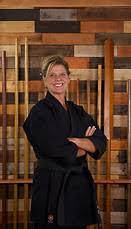
At Balanced Path Learning, a typical day for those in kindergarten through fifth grade will start at 9 a.m. with lessons in science or history, depending on the location. Students in middle and high school can attend and work independently during lesson times.
Lesson blocks are 50 minutes long and followed by breaks for movement, which might be a game of freeze tag or learning new dance moves. Students transition to reading and math groups at 10 a.m.
Students take a 10-minute snack break at 10:50 a.m.
Afterward, the groups switch subjects, with those in reading starting math and those who were in math going to reading.
After a second active brain break, they can do optional electives from noon until 1 p.m. when the day ends. Electives include physical education, with fitness drills, relays, and games. Optional karate is also offered one day a week at each location. Students do not have to participate in any karate programs to attend Balanced Path Learning.
Co-op locations are closed on Fridays, with optional field trips offered one Friday a month for an extra fee.
Parents are already signing up. Rachael Martinez said her three kids, who are entering fourth, third, and first grades, will transfer from a charter school to Balanced Path with the help of state education savings accounts.
“I kept begging her to do it,” said Martinez, who said Leanna tutored her oldest child and taught the second one at the charter school.
Small class sizes and the opportunity for self-paced learning drew Martinez to the co-op.
“They’re not rushed to meet somebody else’s standards versus their own needs,” she said.
One is on an individualized education plan for speech issues and thrives with one-on-one instruction. Another gets everything on the first try. The youngest is “a little spitfire,” finishing kindergarten.
“They’re all 100% different,” said Martinez, a preschool teacher.
Leanna, who will teach reading, said she and her partners made a list of the most important things they felt were missing from traditional schools. At the top: Opportunities to be active.
“Collectively, we feel like sometimes they expect too much of kids, to sit still and be quiet for too long.”
That’s the reason for the “active brain breaks.”
Sheri continues to view the project with a sense of awe. She said she has seen things come together and barriers easily fall away, just like the plywood boards that snap in two if students use the proper technique. She calls it “a God thing.”
But she also sees it as very much a family thing, an extension of the dojo her parents opened in 1977.
“We have been working with kids for 50 years, and our family knows how to work with kids and how to make them thrive, and then I have two teachers who are the most beloved teachers in the whole school, and I'm like, why did this take so long to come to us, but it's just perfect.”
Maxwell “Max” Johnson knows something about you. Maybe you know it, too. Maybe not. Either way, Max wants you to know this:
You are smart.
He’s so sure you are that he wrote a book about it.
Published last December, “Let Me Help You … BE SMART: A Kid’s Guide to Confidence, Focus, and Smart Choices” is a self-esteem book aimed at children ages 8-13 and is available on Amazon.
“My goal is that every reader finishes this book feeling more confident, more smart, and more prepared for life,” Max said.
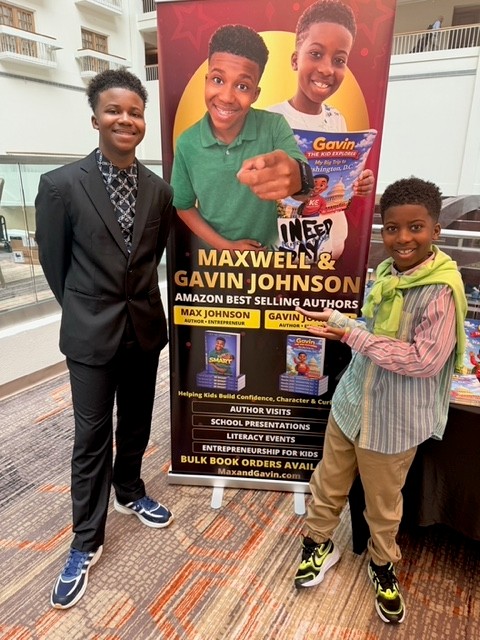
Max, 14, lives with his family in Lake Mary. He and his younger brother, Gavin, 11, receive Florida education choice scholarships managed by Step Up For Students, which their father, Stephen, said has put them in environments that allow them to succeed.
“Their ideas and their ability to learn at a high level are because of Step Up,” Stephen said.
Max, who once attended a private school, is home-educated, learning both at home and through a hybrid program at a private school, which he attends two days a week. His Education Savings Account covers both his home-education curriculum and a portion of his tuition for the private school.
“The Step Up scholarship is important to us, because Max was an honor roll student in private school and takes honors courses now, but because of his desire for entrepreneurship, the scholarship works better for him, because he can still do things like get into business, work on his books, and also find school a priority,” Stephen said.
“I love the fact that he still participates in school, still has school relationships, still goes and gets a dose of school, but also gets to come home and focus on the things that he really cares about.”
Gavin attends a private school.
“We like that environment for Gavin,” Stephen said. “He loves a full day, and it's cool for him to go to school. He comes home, and then when he has time, he works on his stuff, maybe on the weekends. So, the week is all about school. The weekend is his time to do other things. I just want him to focus on school, do everything else on the weekend.”
Like Max, Gavin is also a published author.
“Gavin The Kid Explorer: My Big Trip to Washington, D.C.” is a travel guide for children ages 4-9 and is available on Amazon.
“These kids, they're fearless. I love it,” Stephen said. “They really believe that they can do anything. They believed they could write a book, and then they actually did it.”

Belief is a big part of the brother’s makeup.
Stephen works in video production for a motivational speaker, and their mom, Erin, is an entrepreneur who started her own cleaning service as a college sophomore.
As long as they can remember, the boys have joined their parents at motivational seminars. Those forums are for adults, but Max was able to take what he learned and translate it into messages children can understand.
When he was 8, Max made motivational wristbands for his peers that contained messages like “You can do it,” “You’re smart,” and “I’m a winner.”
Max keeps a journal where he wrote about how he sometimes felt in school. There were times when he didn’t understand the lesson. Other times, he felt confused.
Sometimes he didn’t feel smart.
The success of his wristbands taught him that his confusion and lack of self-esteem are normal parts of growing up. He began to address those in his journal, which in turn started to read more like a self-help book than a diary.
And just like the motivational messages he heard when his dad was working, Max felt he needed to share his message.
“The reason why I wrote this book is because I wanted to help kids learn lessons that they don't really learn in school, things like making smart decisions, working hard, treating people with respect, managing money, and building good habits,” Max said. “I wanted a book that was under 100 pages for young people to understand, but powerful enough that they can use the lessons for the rest of their lives.
“I wanted to show them that, really, they are smart. Anyone can be smart. It depends on how you think about yourself.”
Meanwhile, Gavin took notes during a family trip to Washington, D.C., with the idea of turning it into a book. This way, he could bring young readers along on his adventure. He detailed each place they visited, sites like the Washington Monument, the Smithsonian, the Jefferson Memorial, and added three notes of interest for each.
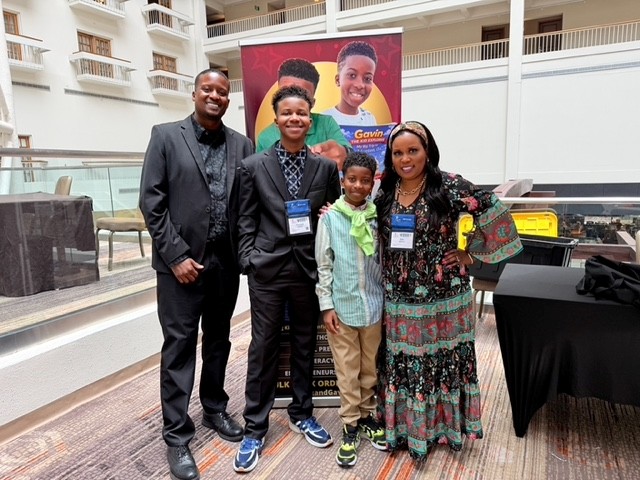
Erin and Stephen turned the journals into books and presented them to the boys on Christmas morning.
“Surprised and amazed” is how Gavin described the feeling of seeing his journal become a book.
He was even more surprised and more amazed when his book was mass-produced and made available on Amazon. Within a week, it was Amazon’s top-selling travel guide.
“I love motivating kids and teaching them things that they haven't thought of before,” Gavin said. “It's so fun and surprising that they love the topics that I choose, like traveling to D.C., and they love the character that I picked and how I illustrated the book.”
Max’s book reached No. 3 on Amazon’s list of social skills books.
“That was just surreal,” Max said.
He’s currently finishing his second book, which addresses confidence. It is set to be released Nov. 27 -- Black Friday.
Gavin is hard at work on his second, as well – a travel guide of New York City.
The brothers spent part of their summer promoting their books and speaking at camps around Central Florida. It’s a prelude to what they hope to be doing as adults – motivational speaking.
“I feel so empowered,” Max said. “I feel I can empower kids to become better versions of themselves, and then they can pass it on for generations.”
For years, critics of education choice have been saying it will unleash an educational apocalypse in Florida. But what’s unfolding isn’t an apocalypse. It’s a renaissance.
“For 25 years we’ve been hearing that the sky’s going to fall,” said Ron Matus, director of research and special projects at Step Up For Students, the nation’s largest education choice scholarship funding organization, which manages 98% of Florida’s K-12 programs. “They have said forever that school choice was going to ruin everything, and instead the exact opposite has happened.”
Matus made his comments when he recently sat down with Ginny Gentles at the Defense of Freedom Institute to share the Florida story and discuss the Sunshine State’s historic influence on family-driven education choice.
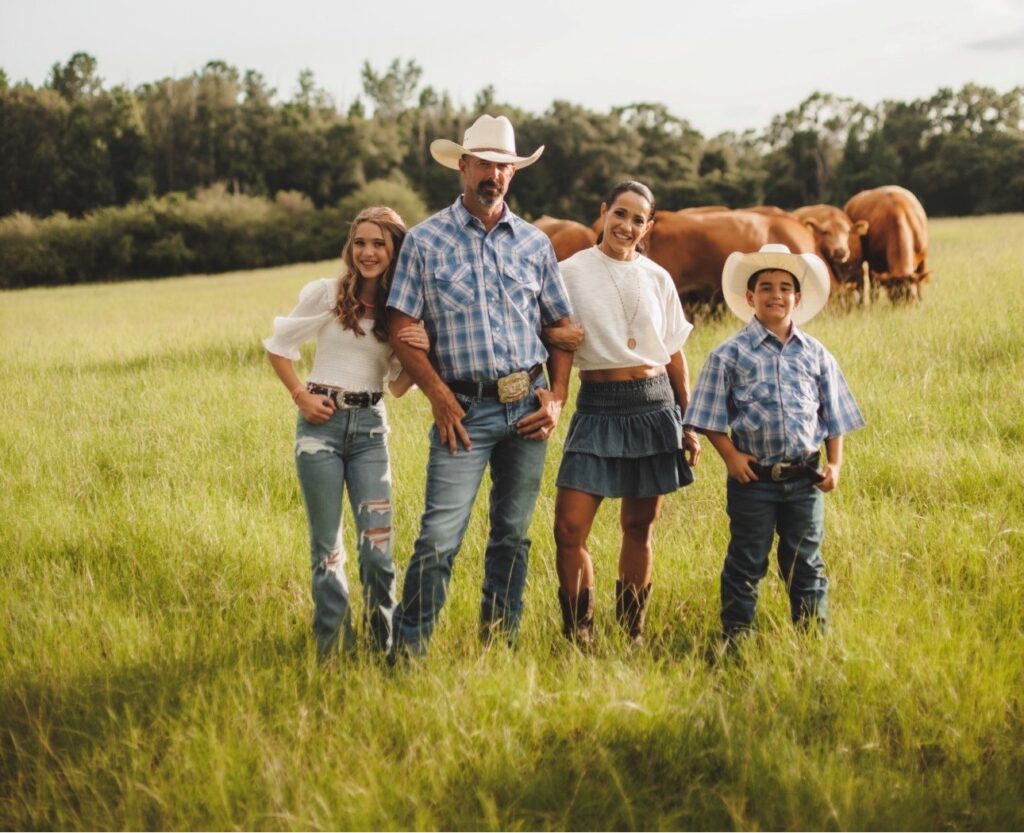
The podcast covers everything from teacher entrepreneurs to à la carte learning to innovative options springing up in rural areas, where many opponents say choice can’t succeed. Matus also cited several schools and providers as examples of thriving innovation happening across the state.
“I think people have these really searing images of Florida in their head. They’ll think of Miami and Orlando and Disney or think about the beaches but don’t realize that between all that there are vast stretches of heartland. There are amazing choice schools throughout all of that.”
When it comes to education, Matus said, surveys show many families want the same basic things, such as safety, academic rigor, and character-building instruction that can be faith-based or secular.
“After that, there are a million different things they want slightly different,” he said. “They may want old-school school — they don’t want any bells and whistles. Others may want a forest school or an outdoor school. That’s where pluralism should come into play.”
All of these are possible in Florida, Matus said, thanks to robust policies that empower families. “In every possible way, public education in Florida has gotten better. So many people did the right thing and moved the ball down the field to build a system where parents have the power to determine the best education for their kids.”
Editor’s note: Harvard University Program on Education Policy and Governance devoted its annual spring research conference to helping policymakers assess education choice: What is and is not working, the trade-offs involved in different programs, and the long-term effects. John F. Kirtley, the founder and chairman of Step Up For Students, the nation’s largest nonprofit scholarship funding organization, told attendees in a keynote address about his home state of Florida, where 30 years of robust education choice across the district, charter, and private sectors are not only working but have set a national standard for the other states taking their first steps on the journey. His remarks are summarized below. You can read the entire speech here. To learn more about Harvard’s Emerging School Models conference, scheduled for Sept. 17 and 18, go here.
Redefinition of public education
Growth of choice programs
Supply-side developments
Impact on rural and district schools
Educational outcomes and research
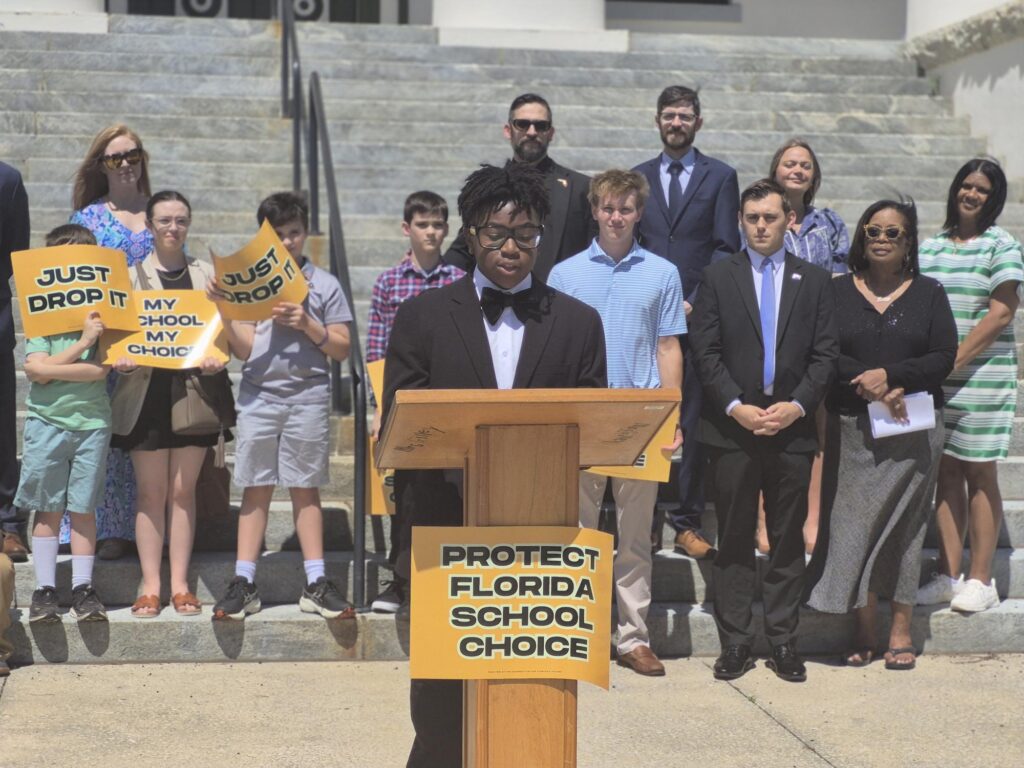
Nine days after the state teachers union sued to strip Florida families of the right to choose their children’s education, the pushback began when supporters of state K-12 scholarships and charter schools gathered in Tallahassee on the steps of Old State Capitol to protest.
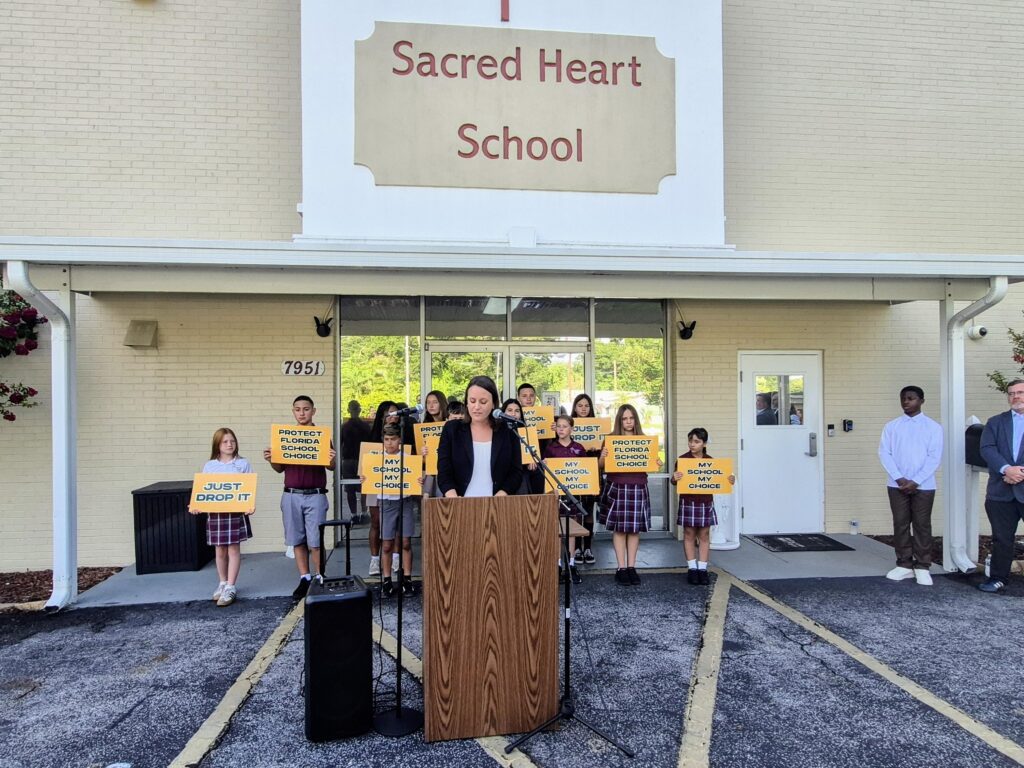
Two weeks later, choice supporters stood outside Sacred Heart Catholic School in the Tampa Bay area holding signs with the slogans, “My Child, My Choice” and “Just Drop It.”
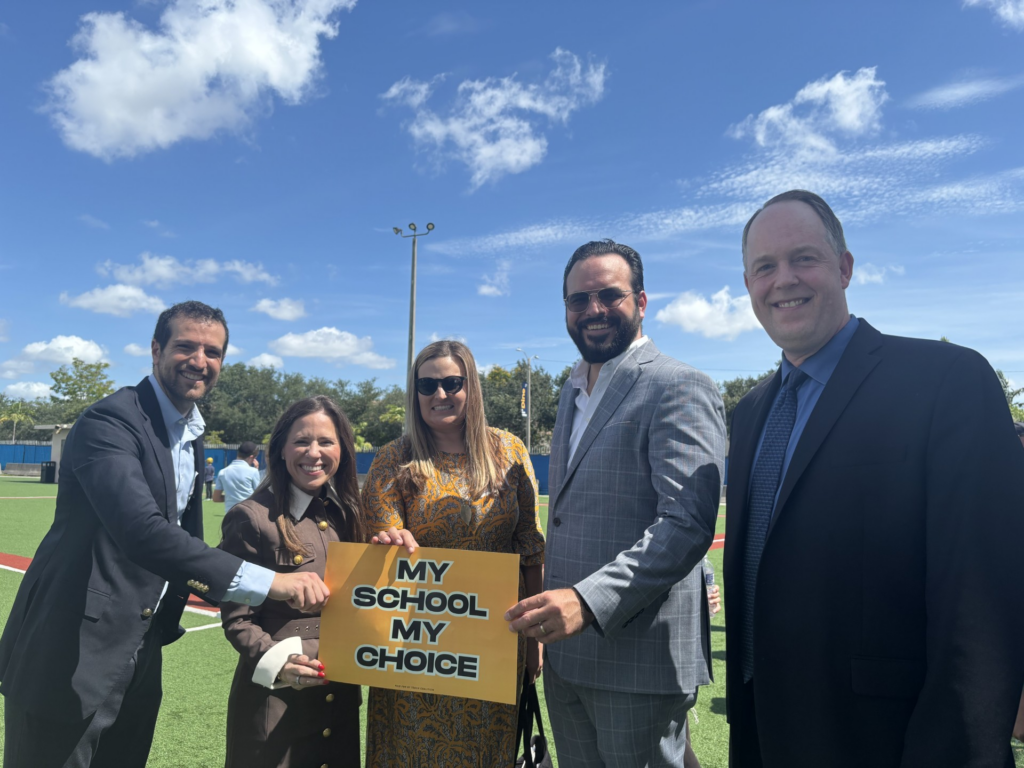
This week, the protests got louder. Students, parents, charter, and private school leaders stood outside Lubavitch Educational Center, the state’s largest Jewish day school, on Thursday and pledged to defend the decades-old policies and programs that have empowered families to choose the best educational fit for their children from a rapidly growing number of options.
“It’s not easy to pay private school tuition,” said Ailyn Weisleder, whose three sons are thriving at a Jewish day school. “But universal school choice has made that possible for our family. It gave us, and thousands of other families across Florida, the ability to choose the education that fits our children, not just the school assigned to us by a ZIP code.”
Audrey Maman Bensoussan said her family can’t afford to give her four children a Jewish education without the scholarships. She said the school feels like “a second home” to her children.

“If this lawsuit succeeds, it will not hurt politicians or special interests. It will hurt families like mine. It will hurt children like mine. It will take opportunities away from parents who simply want the freedom to choose the school that best meets their children's needs.”
Yonah Schwartz, 11, said at the news conference that if the lawsuit succeeds, then he won’t be able to afford to transfer to a school that better suits his learning needs.
“Not every kid learns the same way,” he said. “For me, changing schools means getting the chance to learn in a place that’s a better fit for me.”
The lawsuit, filed May 5, asks a judge to eliminate the state’s education choice scholarship programs based on the Florida Constitution, which says the state “shall make adequate provision for a uniform, efficient, safe, secure, and high-quality system of free public schools.” The lawsuit also seeks to end state funding of charter schools.
Faith leaders, charter school and private school leaders, as well as former Florida Gov. Jeb Bush’s Foundation for Florida’s Future, have supported the news conferences. Step Up For Students, the nation’s largest education choice scholarship funding organization, led the Tampa Bay area event. Teach Florida, a nonprofit school choice advocacy organization for Jewish education, organized and led the Miami event.
“The lawsuit brought by the Florida Education Association threatens everything these programs have made possible,” said Melissa Glaser, Teach Florida’s executive director. “This is about protecting families, protecting opportunity, and protecting a parent’s fundamental right to choose the best educational path for their child.”
She said more than $130 million annually in state scholarship funding helps ensure that Jewish children throughout Florida receive “the education they deserve — in schools that reflect their values and strengthen our communities.”
Their comments echo those made at the previous news conferences, where families described how scholarships had changed their lives. A charter school leader also spoke about how tuition-free charter schools ( which, like district schools, are public) have benefited students, including many from low-income households. Faith leaders also described how their schools uplift communities and welcome students with special needs.
Jim Rigg, superintendent of schools for the Archdiocese of Miami, said the lawsuit could damage “a thriving educational ecosystem in South Florida that attracts people from all over the world.” That includes the 37,000 students who attend Catholic schools in the diocese’s three counties. He said each school is accredited, gives standardized tests, complies with applicable state requirements, and employs highly qualified and certified teachers.
“But at its heart, the issue is not about institutions. It’s about children and families. Everyone wins with meaningful school choice, ultimately making our state the ideal place to raise and educate a child.”

