Bennett
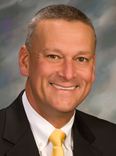
In this lengthy exit interview with the Indianapolis Star, new Florida Education Commissioner Tony Bennett adds to a simmering debate, sparked last month by Gov. Rick Scott, about whether students using vouchers and tax credit scholarships to attend private schools in Florida should be required to take the same standardized tests as their public school counterparts.
By law, tax credit scholarship students in Florida are required to take a nationally norm-referenced test approved by the state Department of Education. But Bennett suggests that's not enough:
"I do believe we should assess all students who get state money. I believe that in my heart. I keep having people asking me why I believe that in Florida. For voucher schools, I’ve been asked why can’t we accept just a nationally-normed test? But if IPS said let me choose a test and let me choose a performance level to determine if its schools were any good or not, would I accept that? No. So why should I buy that from them? What makes them more creditable than IPS?"
Bennett was also asked if there's anything about expanding school choice that he fears could "in any way threaten what's good about the traditional public school system." His response:
"No. I think it will enhance it. It never worries me because I believe good schools will flourish regardless, whether they are public, private or charter. I believe it will force schools to get better. I just believe that. It’s never kept me up at night. I just believe in the force that the market creates. We’ve seen it. We’ve seen (Indianapolis Public Schools Superintendent) Dr. (Eugene) White make some pretty innovative changes. I maintain he wouldn’t have done those things."
It's not news that Florida Gov. Rick Scott is a strong supporter of parental school choice. But some of his comments Wednesday night in Tampa are still noteworthy. Scott was the keynote speaker at the annual donor appreciation dinner for the state’s tax credit scholarship program, which now serves more than 50,000 low-income students.
In the excerpts below, Scott refers to John Kirtley, who founded Step Up For Students and now serves as its chairman. Step Up administers the scholarship program and co-hosts this blog. Scott also refers to results released this week from a test called PIRLS – the Progress in International Reading Literacy Study, which is given to a representative sampling of fourth graders from around the world. In reading, Florida students finished second only to their peers in Hong Kong. Here's a sampling of what you'll hear from Scott in the video:
Over 50 percent of the families in our state make less than $50,000 a year. Every one of them has the same goal we have: They want to be able to choose where their child gets an education …
I tell people all the time: you can get anything passed in Florida you want, if you can explain how it impacts a family making $40,000 a year. This impacts families making $40,000 a year. Families like mine that lived in public housing. Families like mine that the father never had a job at Christmas. Families like mine that didn’t have the money to pay for junior college, college …
If every child has a choice, then the thing I ran on – getting the state back to work – will actually happen. There is no reason for this state not to be No. 1 in job creation. But the only way that’s going to happen is through a great education system. And a key component of that is choice, which makes everybody better and gives different students – like my daughters are both different – different opportunities. …
What John started, what you’re continuing, is forcing the rest of the country to change. Because they see how well Florida is doing. I don’t know if you saw the numbers yesterday, but everybody can be proud of our students. In the international test, we’re right at the top. We weren’t at the bottom. We were at the top.
 On top of the world. Gov. Rick Scott calls the PIRLS results (an international assessment that shows Florida fourth-graders are second only to their peers in Hong Kong in reading) “great news for Florida as our state becomes a hub for global commerce.” Jeb Bush says Florida students are “again busting all the myths.” No more Flori-duh, writes EdFly Blog: “Florida has gone from one of the worst reading states in the nation to one of the top reading nations in the world. And just last month I read a story about Jeb Bush’s education reforms in Reuters, which concluded: 'But a close examination raises questions about the depth and durability of the (education) gains in Florida.' Think we’ll see a follow-up?” More from Florida Today, Associated Press, Bloomberg, Eduwonk, Jay P. Greene’s Blog. (Image from questprblog.com)
FCAT for voucher kids? Gov. Scott seems to suggest that in comments to reporters Tuesday. Here’s the clip (starts at about the 13-minute mark). Coverage from Gradebook, WTSP, Orlando Sentinel, Associated Press, News Service of Florida. The governor will be speaking in Tampa tonight, at the annual donor dinner for Florida’s tax credit scholarship program (which is sponsored by Step Up For Students, which co-hosts this blog).
Race to the Top. Miami-Dade wins this round, reports the Miami Herald.
Conversion. The Broward County school board considers creating a countywide K-12 digital arts magnet in an effort to help a low-performing middle school meet accountability standards, reports the Sun-Sentinel.
Protection. From the Orlando Sentinel: "After listening to nearly six hours of testimony on both sides of the issue, the Orange County School Board added protections for gay, lesbian and transgender students and staff to the district's nondiscrimination policy early Wednesday."
Wait a minute. The Polk County school board and new superintendent John Stewart may delay the opening of six district-run charter schools for at-risk students, reports the Ledger.
School-to-prison pipeline. On the NAACP's agenda in Duval. Florida Times Union.

